
fundraiser update & native plants i'm loving now!
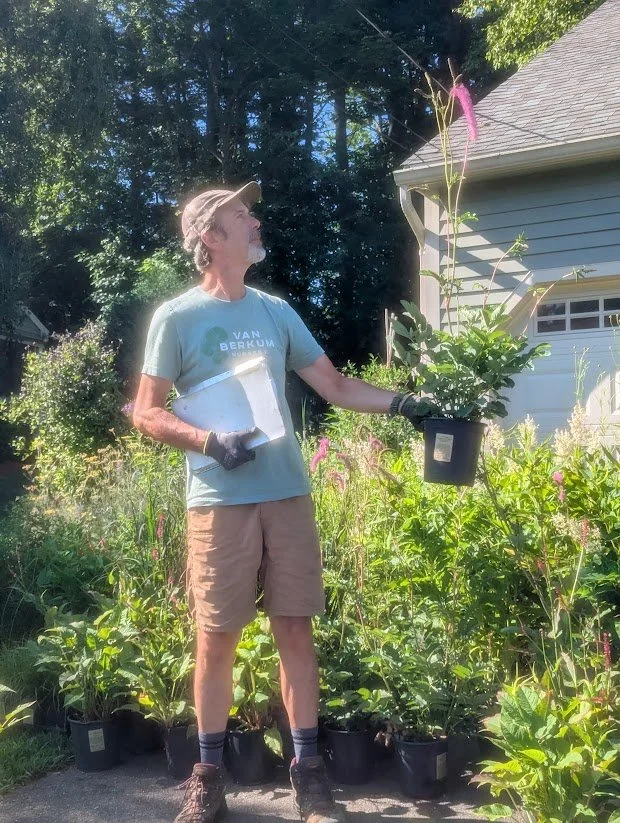
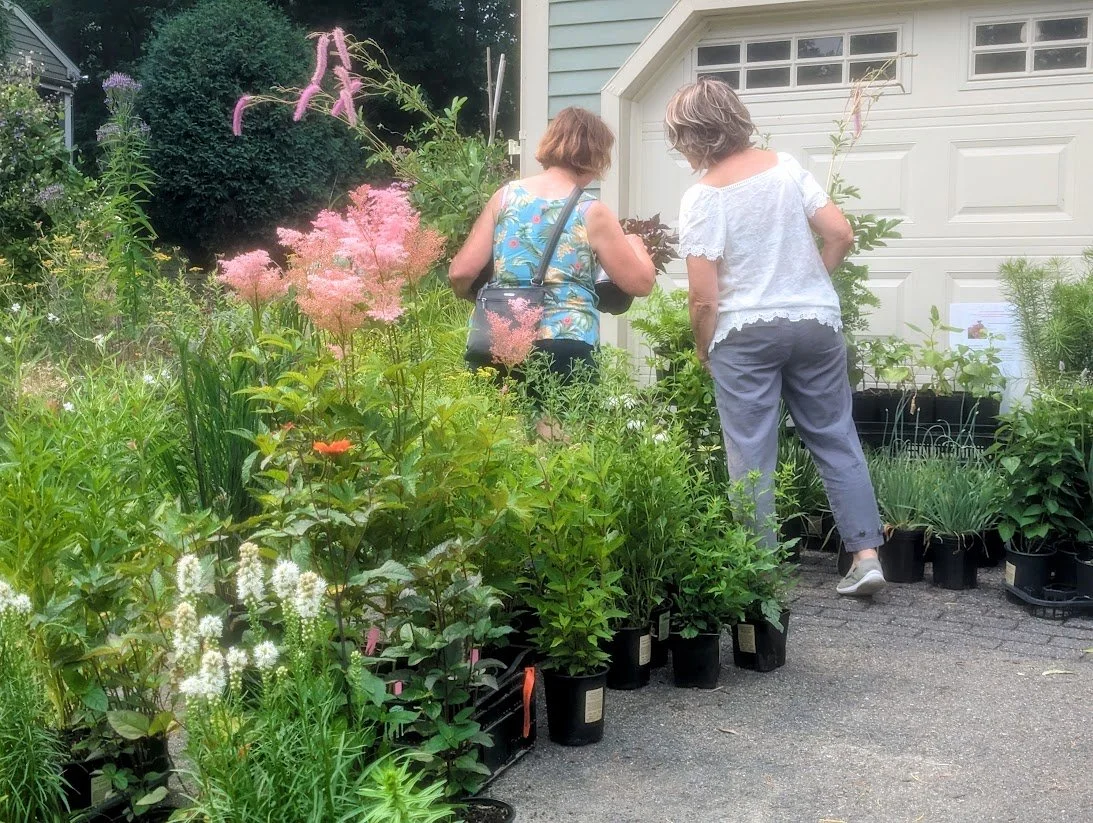
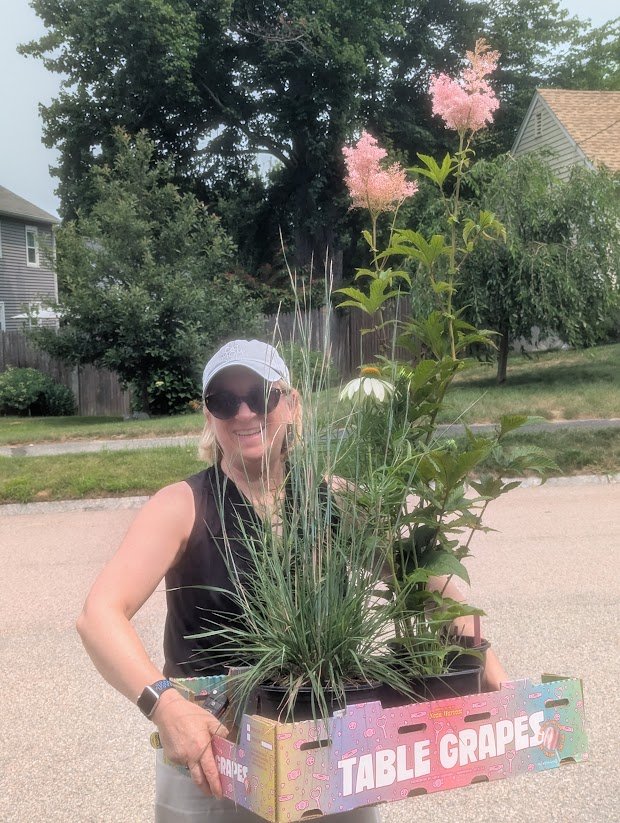
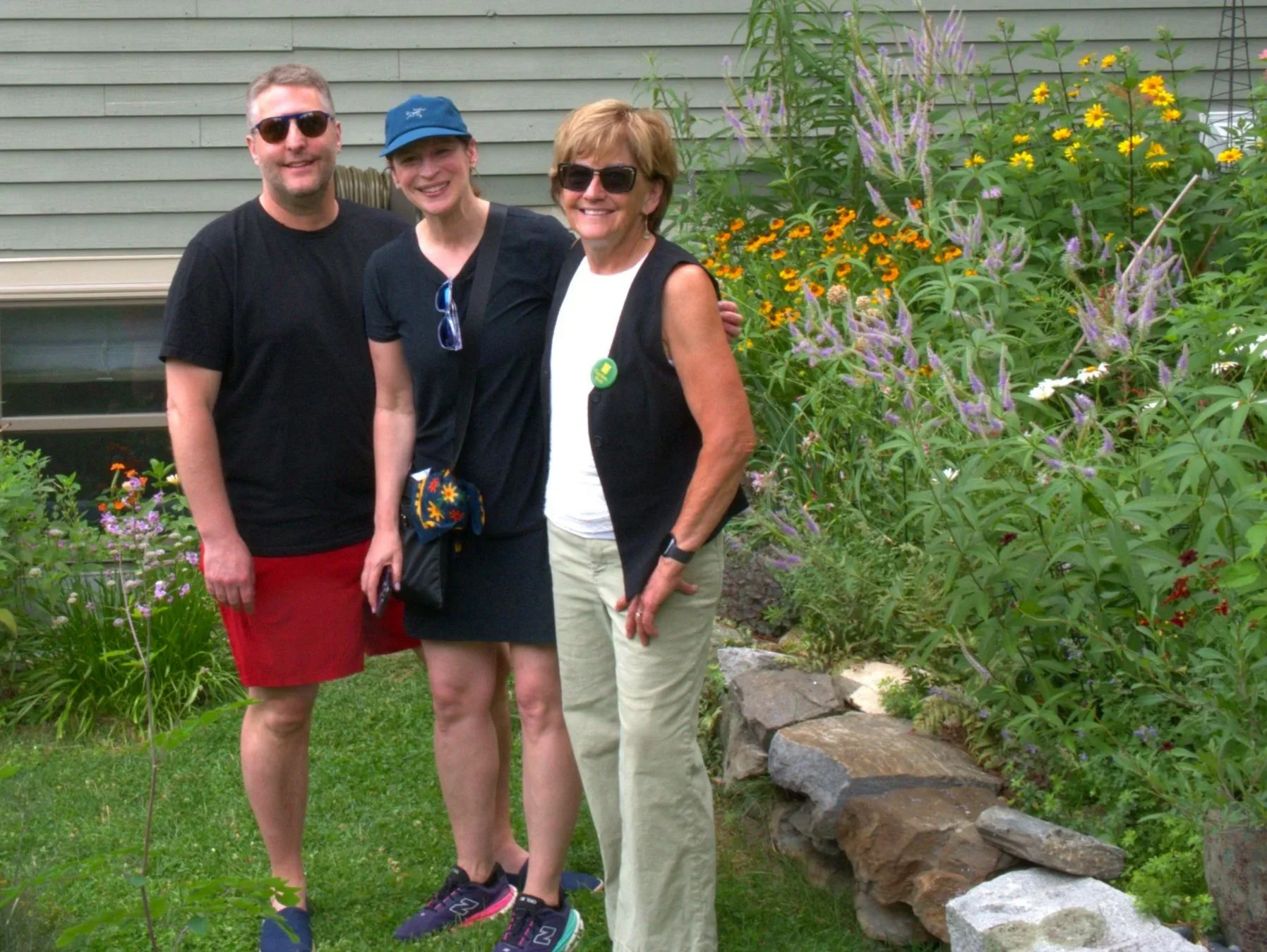
A hearty and sincere thank you to the 90+ attendees of my recent garden tour and plant sale. We had so much fun introducing all of you to some really amazing plants, and I hope everyone’s selections are thriving in their new homes. We sold almost 300 plants, with profits going to benefit one of my favorite non-profit organizations, Kitty Angels. Please remember to keep your babies well watered until they are established, and send me progress photos when you get a chance!
“What a delight it was for Kitty Angels to attend the recent plant sale and garden tour at Barb’s Big Little Garden! There were so many beautiful plants and wonderful people who stopped by to chat, purchase plants, and tour the garden
—all while supporting Kitty Angels.
We are truly honored to have been chosen as the recipient of the profits from this special event.
As an all-volunteer organization, every dollar raised will go directly toward the care of the cats and kittens in our rescue.
”
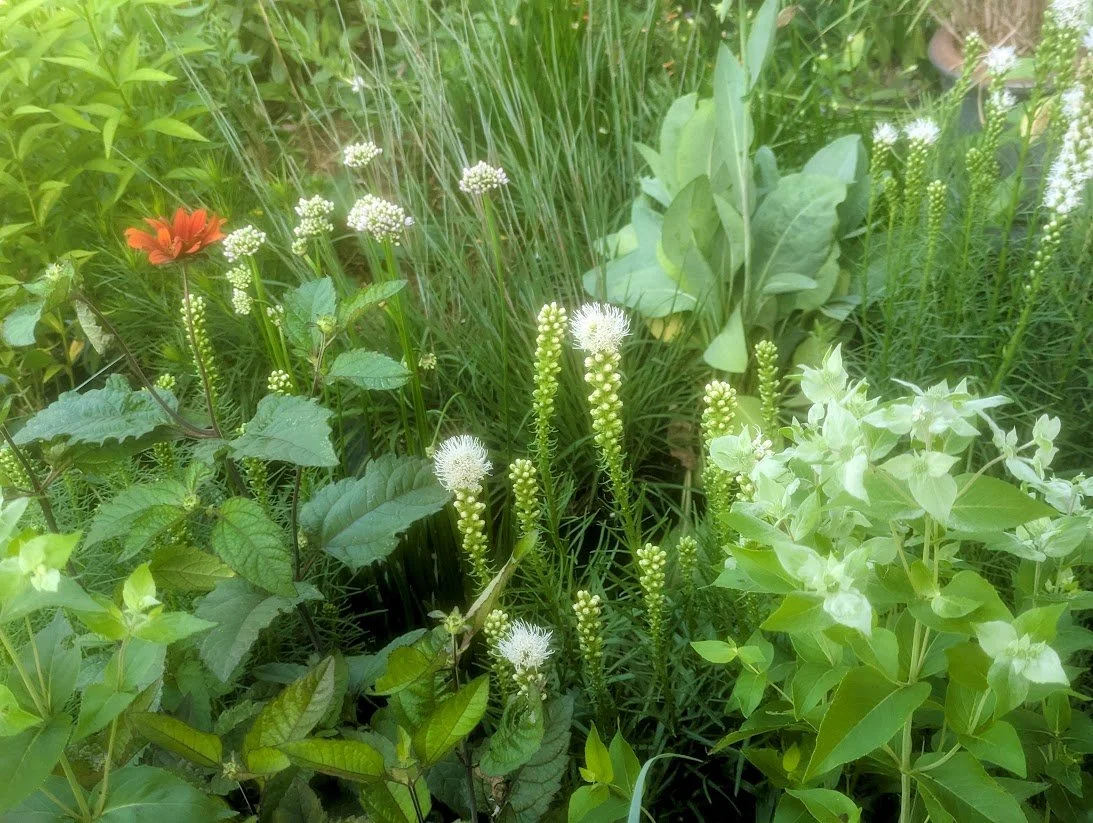
Today’s plant lust: pycnanthemum muticum
With almost two inches of rain this week, followed by clear skies and sunshine, our gardens are thriving. There’s a bit of pushing and shoving going on in my gardens, and in the Community Hospice House gardens, but all the more pollen and nectar for our insects and birds to enjoy.
For those of you who purchased the Pycnanthemum muticum, Mountain Mint, at my plant sale, you are in for a treat. This image was taken yesterday at the CHH gardens of a stand of Mountain Mint that volunteers planted as tiny plugs only two years ago. It is absolutely alive with the tiniest bees and the largest wasps!
I absolutely love the glaucous-blue foliage that sparkles and shines in both full sun and part shade! This species is thriving in an area where other nearby plants have succumbed to voracious voles and woodchucks…I’m thinking more of this minty plant is in order!
minty pairings for great designs!
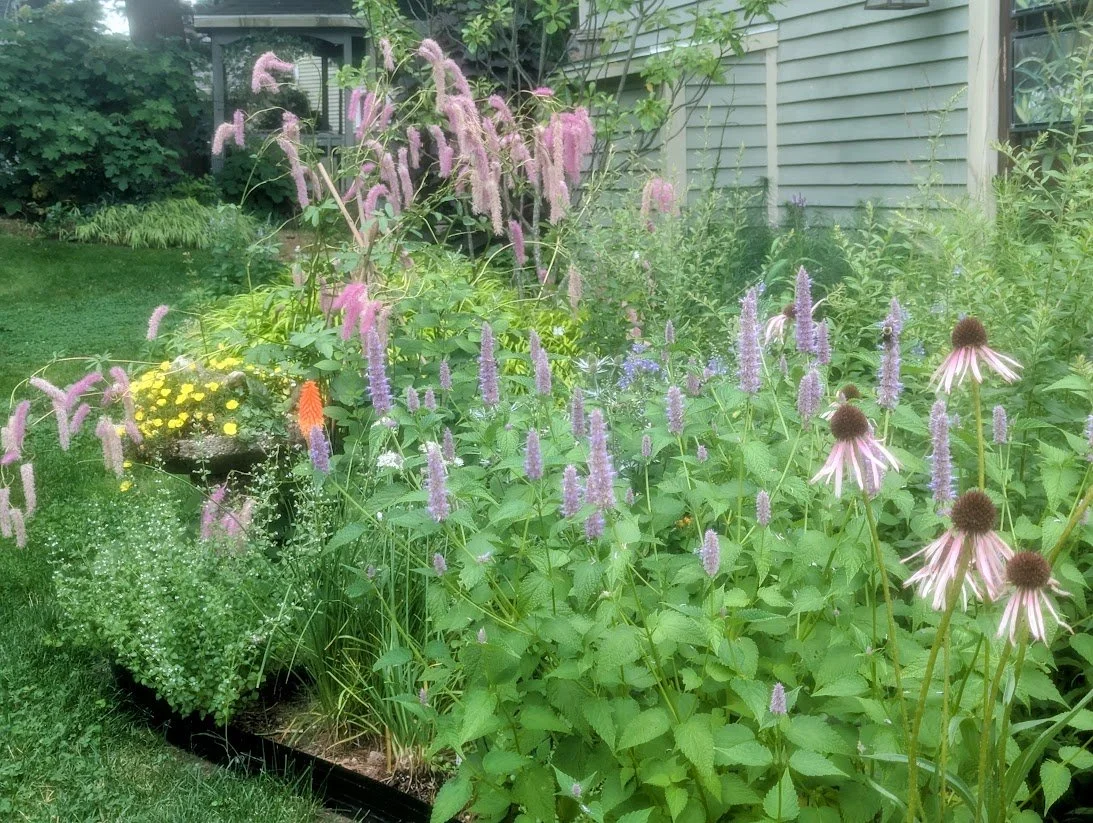
My always evolving east side/garage bed is chock full of blooms. While I favor this current plant combination for it’s wildlife value, I also love the variety of bloom structure. I especially love how the Agastache foeniculum/anise hyssop points up to the drooping Sanguisorba hakusanensis, ‘Lilac Squirrel’. The Echinacea purpurea ‘Pallida’ reminds me of flirty ballerina skirts! So fun! The hyssop, a member of the mint family, helps to protect the echinacea from rabbit browsing (I still cage it when it first emerges in the spring). click for larger image and description:
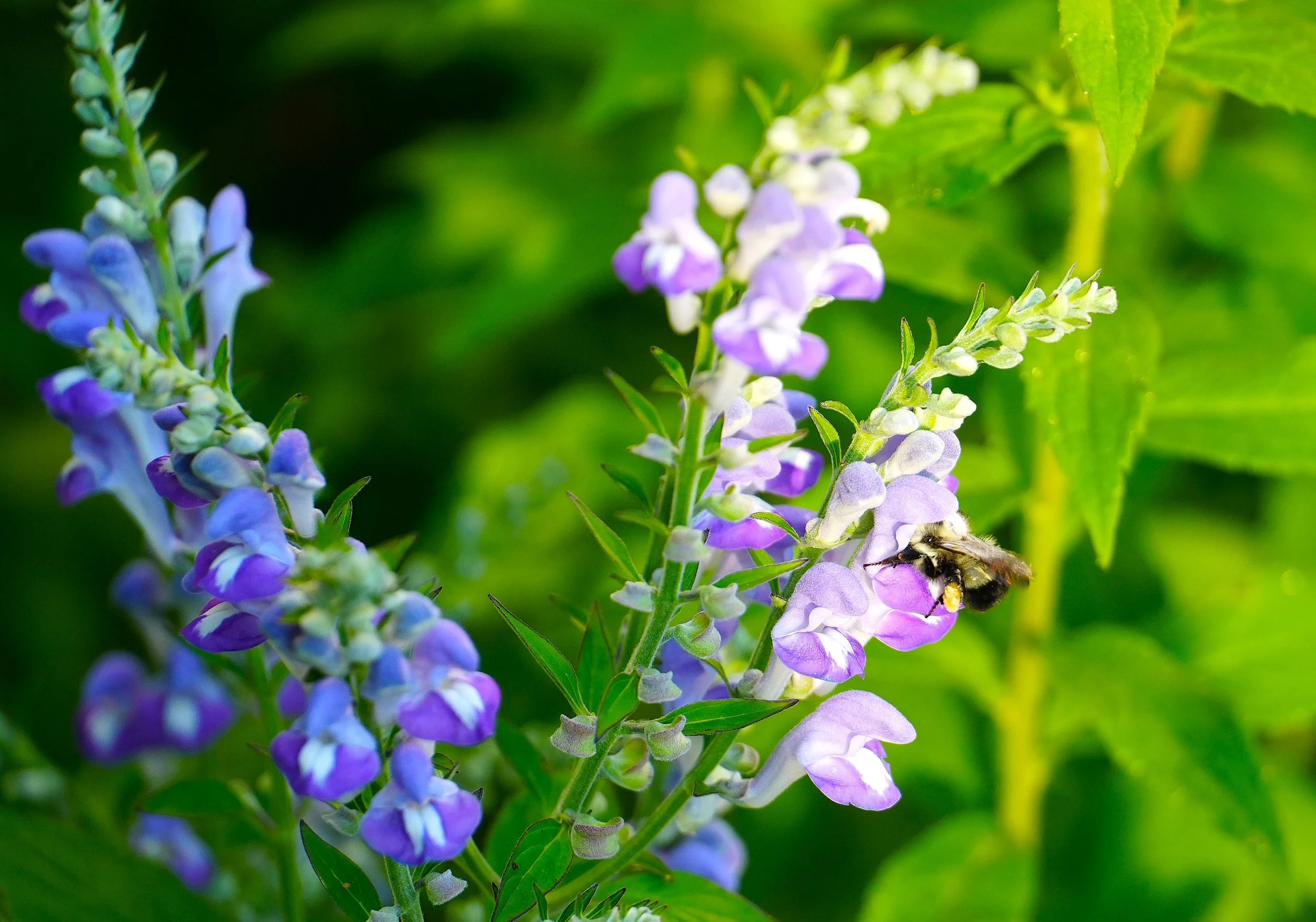
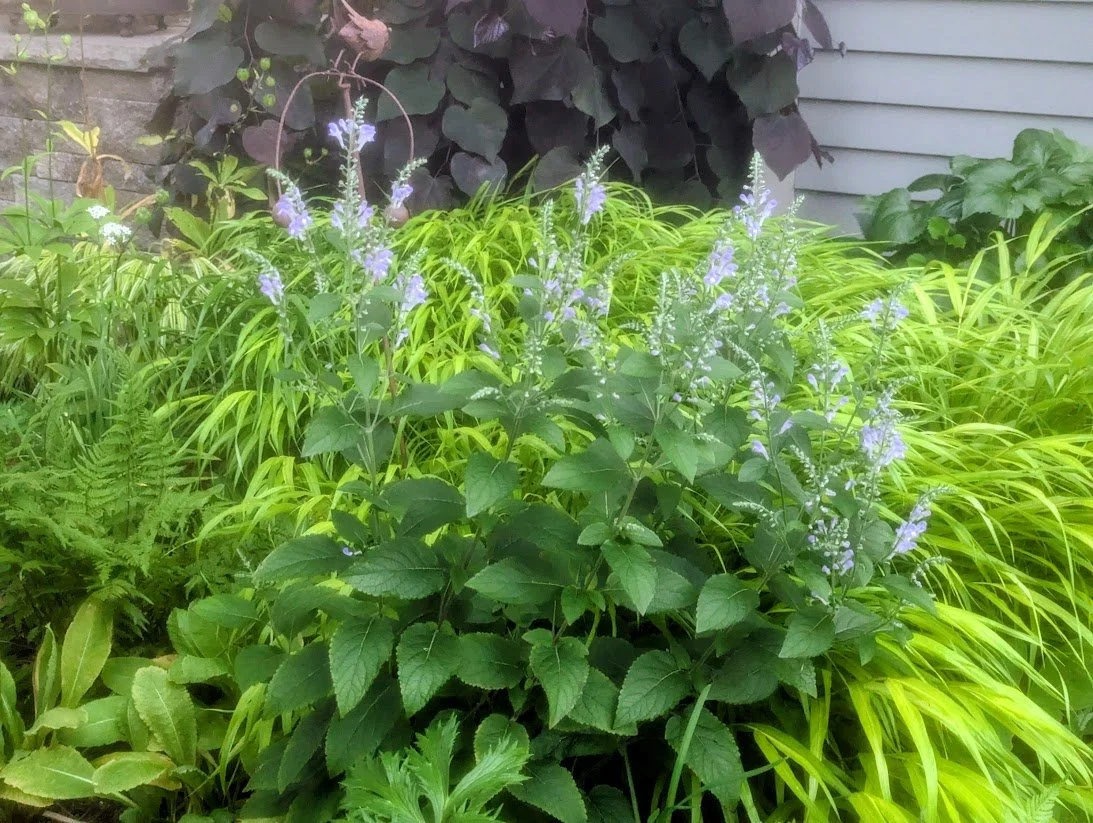
The lovely Scutellaria incana, ‘Downy Skullcap’ is beginning to bloom in the garage bed and in two others and will showcase incredible, hooded blue flowers for weeks. Also, a member of the mint family, it is not bothered by my many rabbits nor rodents! Look closely, and you may see the bumblebees prying open the pea shaped blossoms to access the pollen and nectar.
I’m always talking about ‘implementation’ of plants in the garden. Specifically, I find it important to site plants not just where they will be happy, but where they will shine their brightest in combination with other plants. In this small bed just off the back patio wall, the fresh, blue blooms of the skullcap are enhanced by the limey blades of Hakonechloa ‘All Gold’ and the deep purple hearts of Cercis canadensis ‘Ruby Falls’. Yummy!
Scutellaria is also thriving in the Community Hospice House gardens, and I just adore how it mingles with Queen Anne’s Lace and Lobelia cardinalis. The delicate blue blooms are the perfect companion to white phlox, red Lobelia cardinalis, and the blue blooms of native switchgrass Panicum ‘Prairie Dog’. This combination thrives under the Japanese lilac tree by the common patio at CHH, and helps to bring hummingbirds within a few feet of patients and families as they relax in the shade.
It has happily reseeded this summer, and we will carefully lift and transplant the seedlings in the fall to grace other areas of the garden. When plants show us they are happy in a place, then we need to pay attention and listen to what they are telling us!
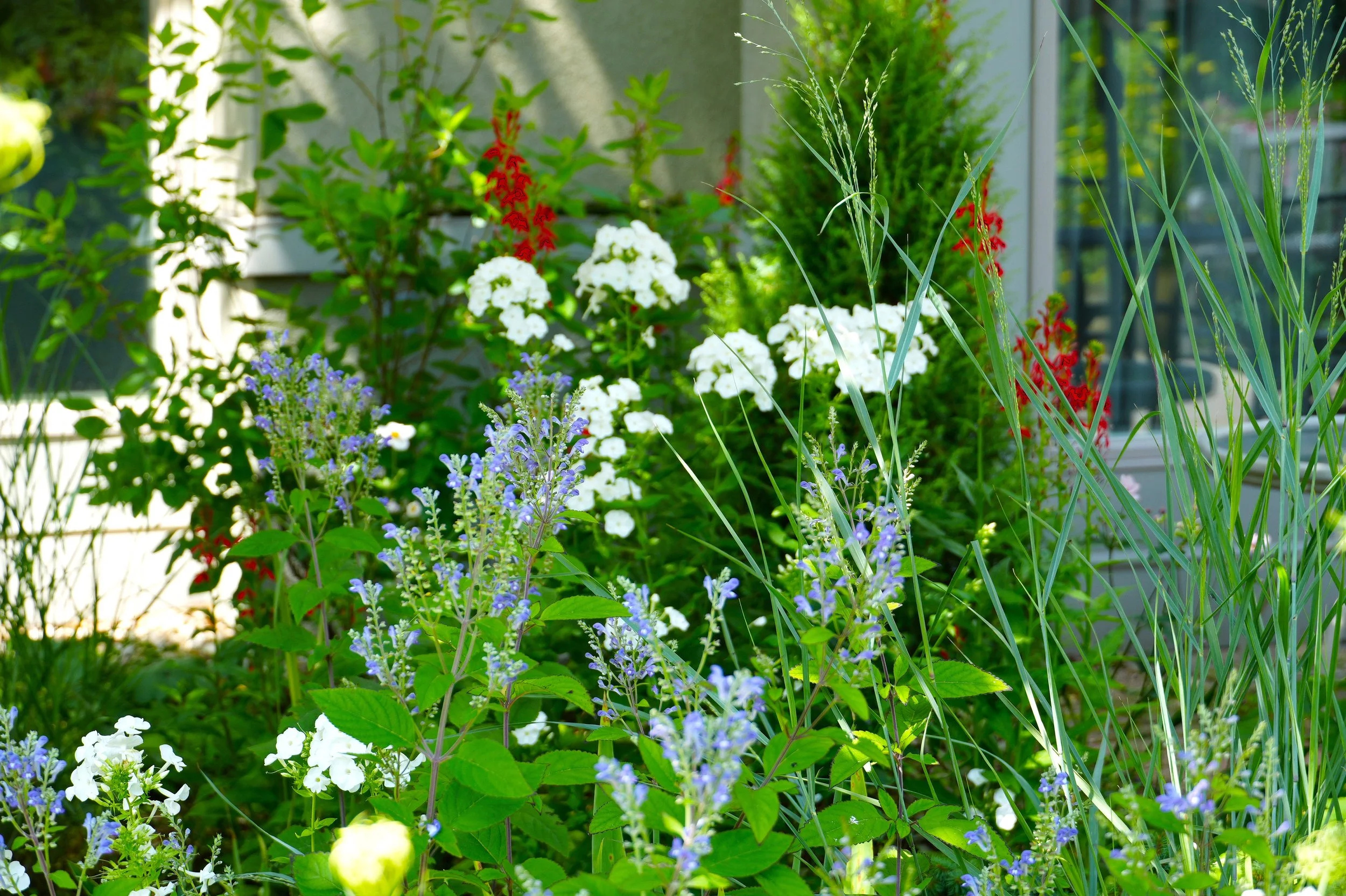
Scutellaria incana, phlox, lobelia cardinalis, panicum at Community Hospice House
Naturally found in open woodlands, Scutellaria is easy to grow and cultivate in your garden. Experience is the best teacher, and I now have two years of growing and observing this lovely species in three different gardens of my own as well as in the CHH gardens. It’s thriving in each location with just slightly different bloom times. I also Chelsea Chopped a few stems back in May and recommend this practice if you want to shorten the overall height by 8-10” to better suit your garden space.
You can learn more about how to grow this fascinating ‘near native’ plant here.
The ‘hardest’ thing about Scutellaria is sourcing it. While I wasn’t able to offer any at my recent plant sale, I plan to pre-order plants from my wholesaler for next Spring! Let me know if you are interested.
it’s alive ~ the MIRACULOUS REDBUD RECOVERY!
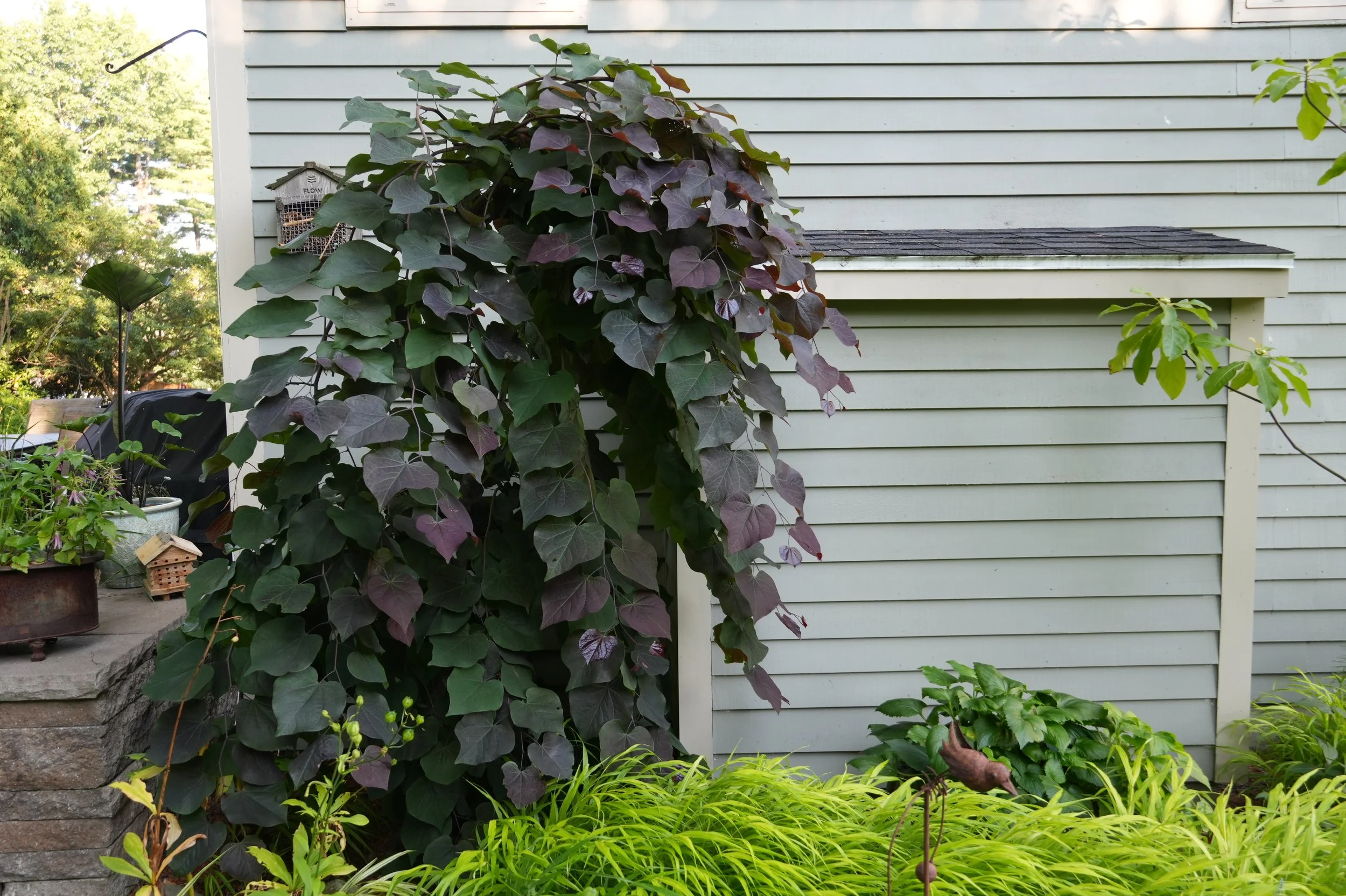
Cercis canadensis, Ruby Falls, strutting its stuff in The Big Little Garden, 8/1/26
I heard from many of you this spring, expressing dismay over the condition of your Cercis canadensis trees. It was a rough winter for the redbud species, especially the more delicate ‘Ruby Falls’ and ‘Flame Thrower’ cultivars. Many of these trees that appeared as if they were goners in April made complete recoveries by end of June. I was SO CLOSE to digging up my Ruby Falls, thinking it was ‘mostly dead’, but luckily I became distracted with ‘life’, and by the time I decided to refocus on the tree, it was clear that it was going to regenerate new branches and foliage. The teeny tiny new leaves eventually produced new weeping branches and grew to their full size, cascading down to the garden below and restoring an important focal point.
Hurray! I am so relieved to witness this recovery, as there is just not another tree that would ‘fit’ this particular space with such grace and beauty. I specifically chose this implementation as the tree perfectly fills this nook. The foliage shape, color and weeping habit are essential design elements of this small space. Today, it’s impossible to tell where I had to prune off one of the dominant weeping branches. This is a great lesson and reminder of the value of patience in the gardens!
time to slow down & soak up the gardens
How did it get to be August 1st already? It’s been another (too) busy spring and early summer and here we are on the cusp of the final weeks of summer. I’m committed to spending more time in my own garden, focusing on photographing and enjoying the intense wildlife activity all around.
I also need to absorb a few remaining plants from the plant sale…some really interesting natives that are ‘new’ to me: Mimulus ringens, aka ‘Monkey Flower’ and Ageratina altissima, aka ‘White Snakeroot’. I’m excited to see how they do in the moist shade by the boulder fountain in the woods.
Stay tuned for more updates on these newest additions. I will also share tips on the best way to implement ‘see-through’ plants, like Persicaria speciosa ‘Firetail’ in the garden for maximum visual affect.
Until next time, remain calm and garden on!
~ Barb