
best 'see-through' plants blooming now!
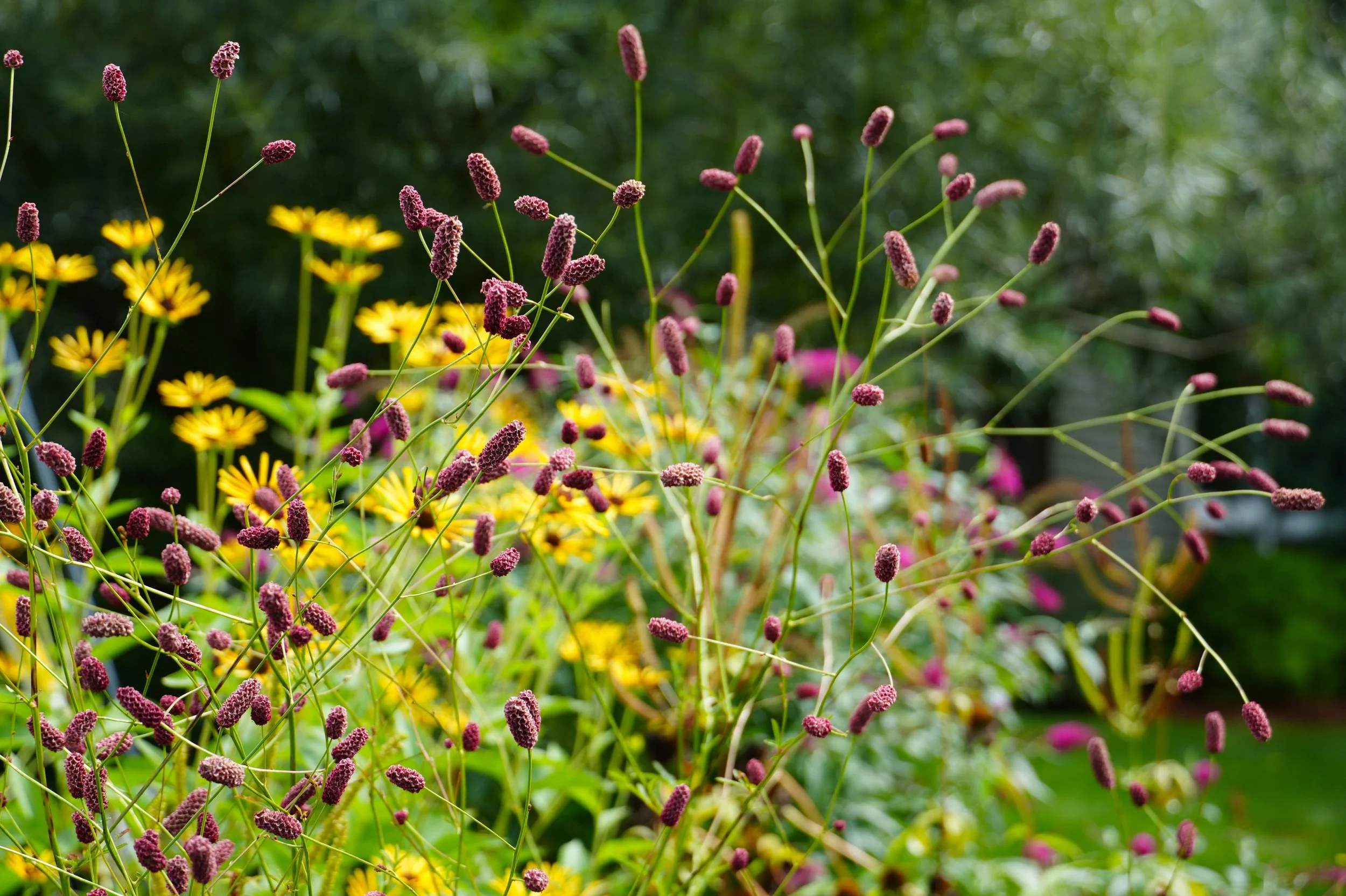
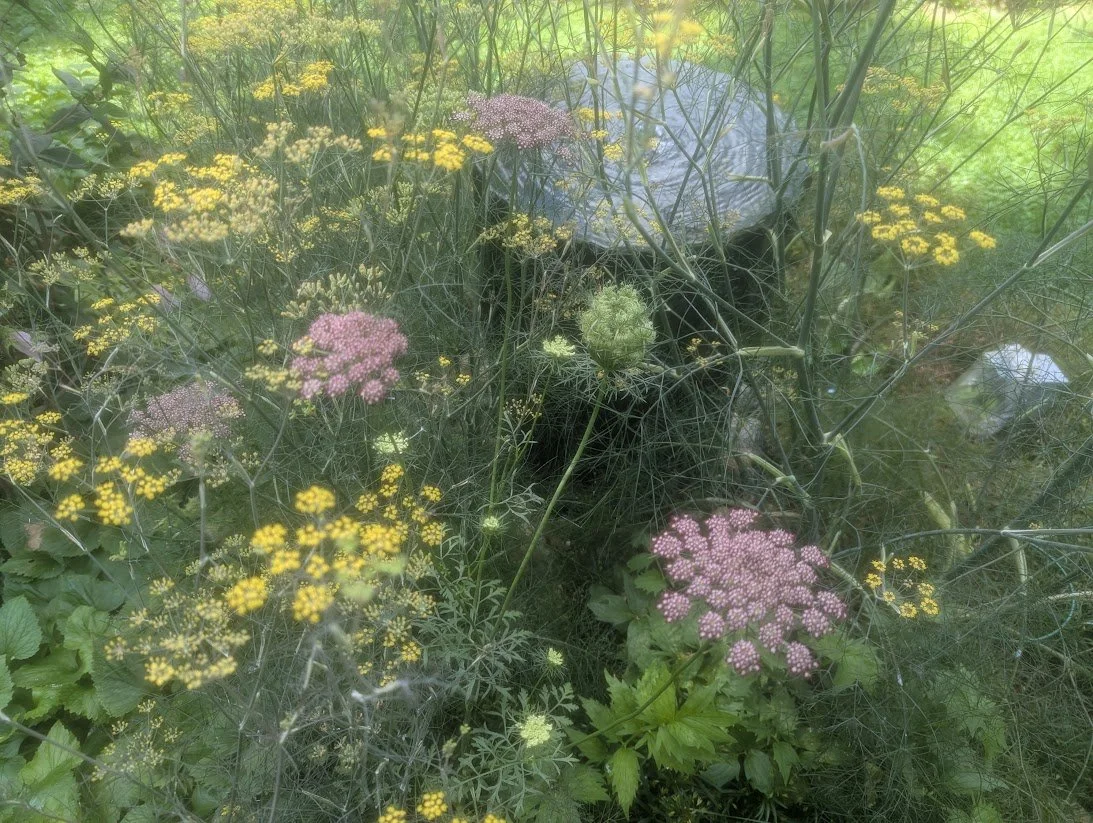
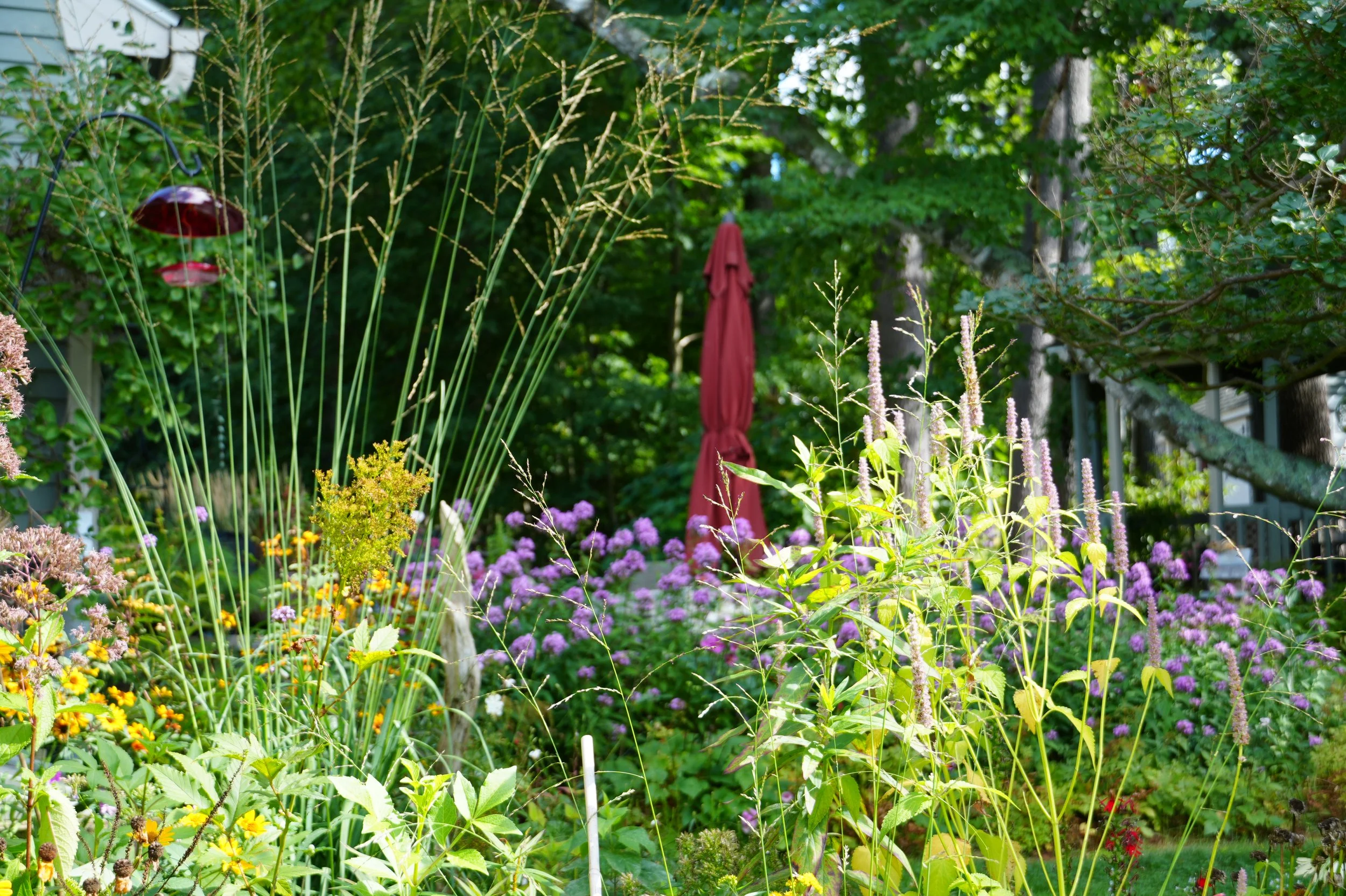
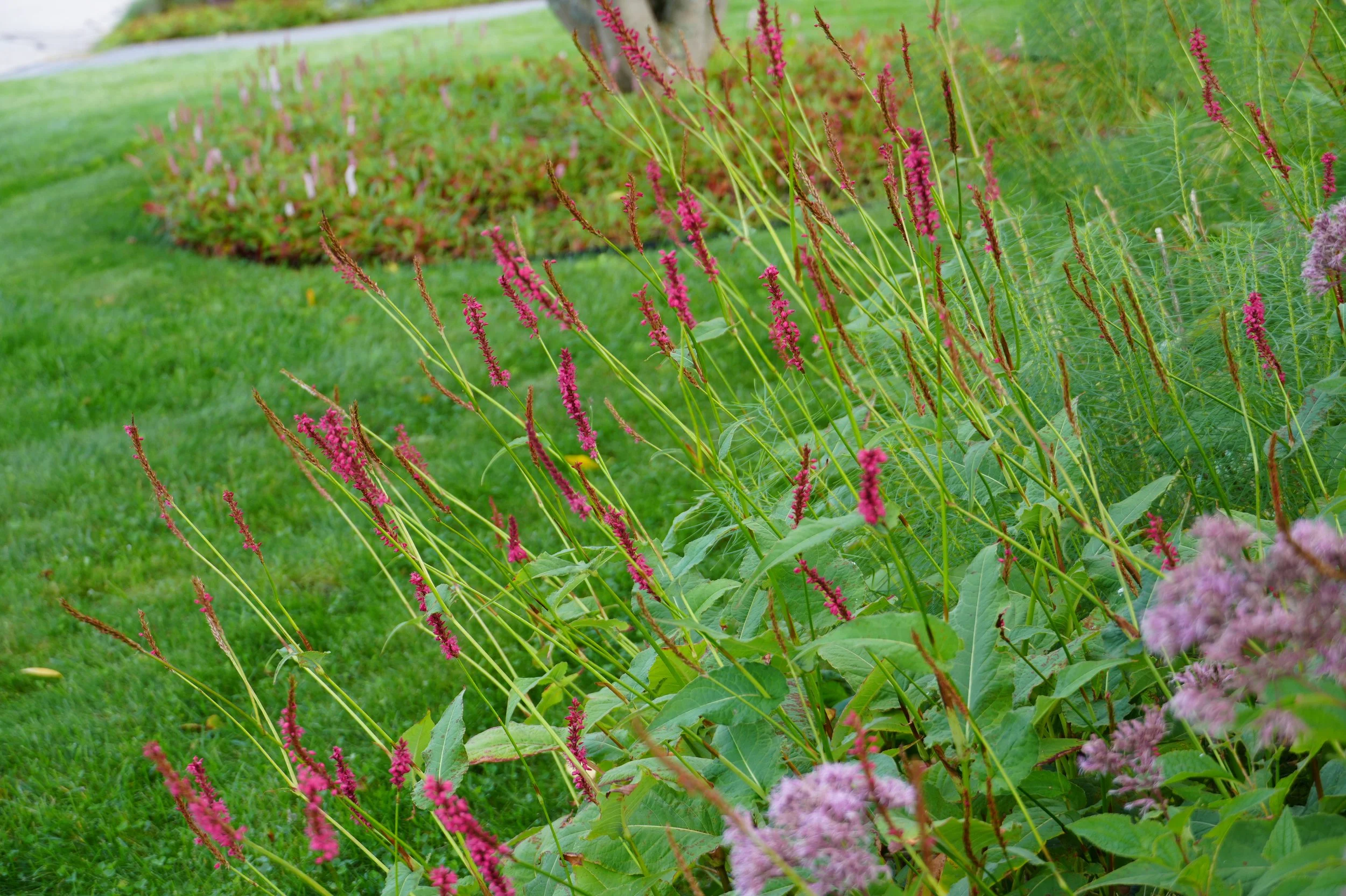
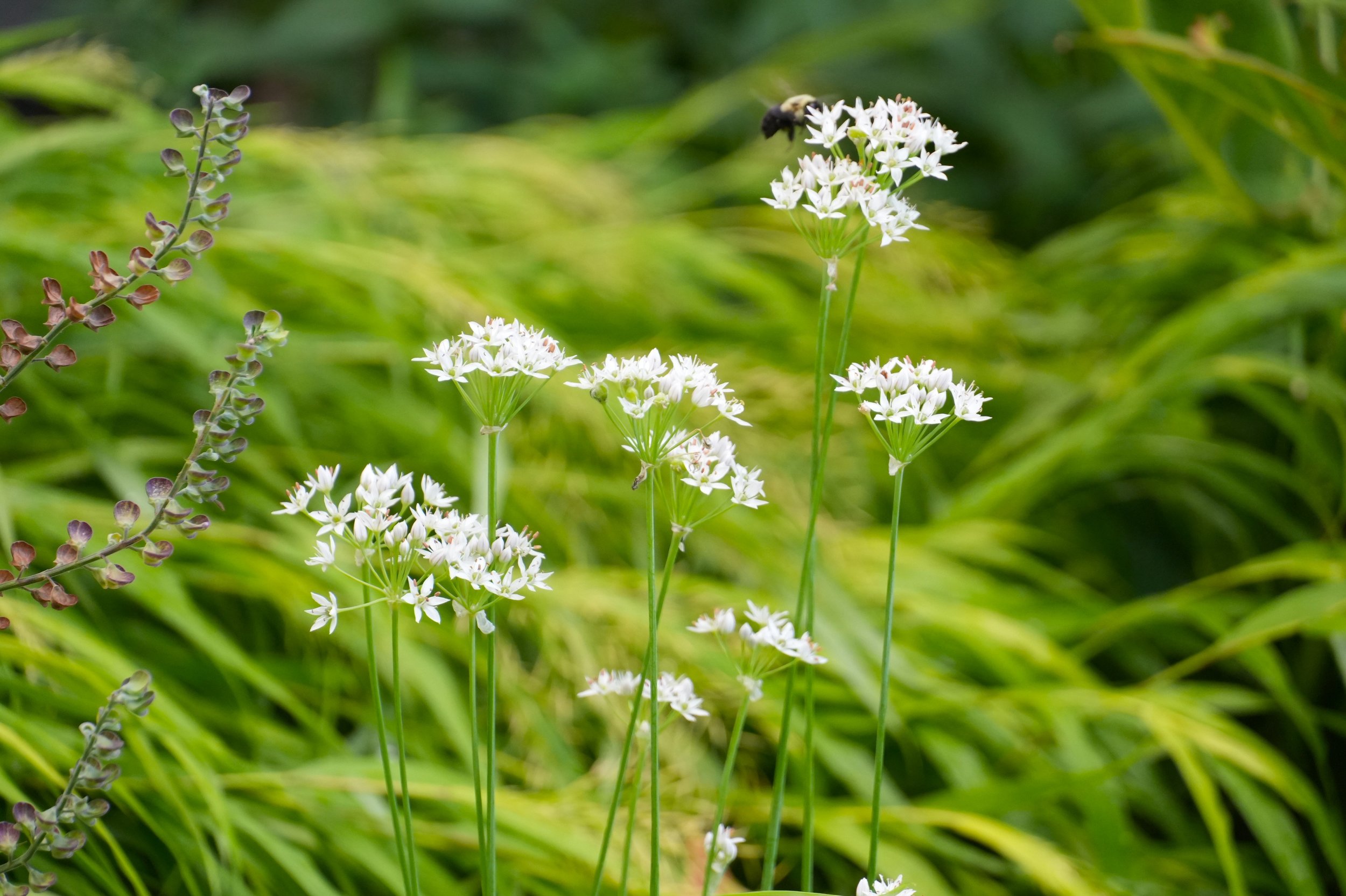
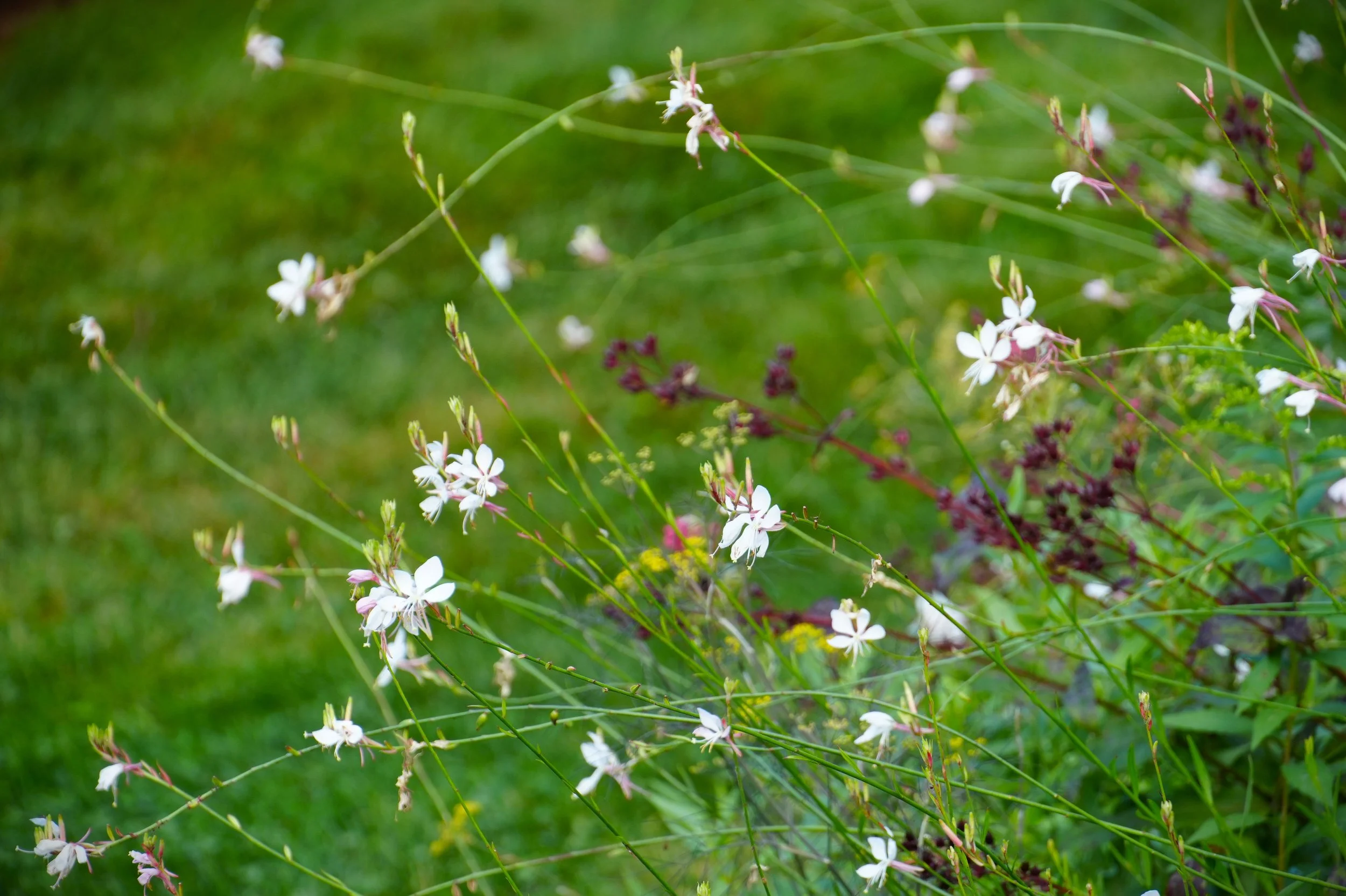
full transparency ~ create a ‘see-through’ effect in the garden
With only 12 days until the start of autumn, the gardens are definitely looking a bit shaggy. BUT, they are still beautiful and highly beneficial to wildlife. If your gardens are collapsing under the sheer bulk of mature perennials, consider the value of ‘see-through’ plants. They can really lighten things up and add to the layered effect as shown above.
While you might prefer to look away from your garden’s ‘problems’ right now, this is actually the best time to photograph your borders. Capture the current state of what has worked, but especially the areas that aren’t performing up to your expectations.
Look for opportunities to lighten up the layers and add some transparency. I also recommend integrating generous amounts of white foliage and white blooming plants to your borders to help achieve a lighter, airier look!
There is a new section on this website called ‘blooming now’ which will catalogue my favorite plants that bloom or add winter interest every month, including my favorite see-through plants. Check it out here. I will add images from earlier months as time permits.
it’s monarch season!

Monarch butterfly chrysalis
After a seemingly slow start, my garden is producing a nice crop of Monarch butterflies. Some of these are likely the hearty souls who will migrate to Mexico in a few weeks. They are nectaring non-stop on the phlox paniculata ‘Jeana’ along the patio wall and are preparing to fly south.
It’s possible some are still pupating in our gardens, so it’s super important to avoid cutting down plant stems that might have Monarch chrysalides attached. If you have milkweed in your gardens, then it’s very likely that they have pupated on other plants in nearby gardens.
After feeding on milkweed leaves, the caterpillars leave their host plant and crawl up to 30 feet away to find a suitable place to begin building their chrysalis. Aggressive ‘cleaning’ of the garden bed is a sure fire way to destroy their habitat and disrupt their delicate life cycle. At this time of the year, I just ‘let it be’. Here’s more information on the Monarch lifecycle.
local garden design resource
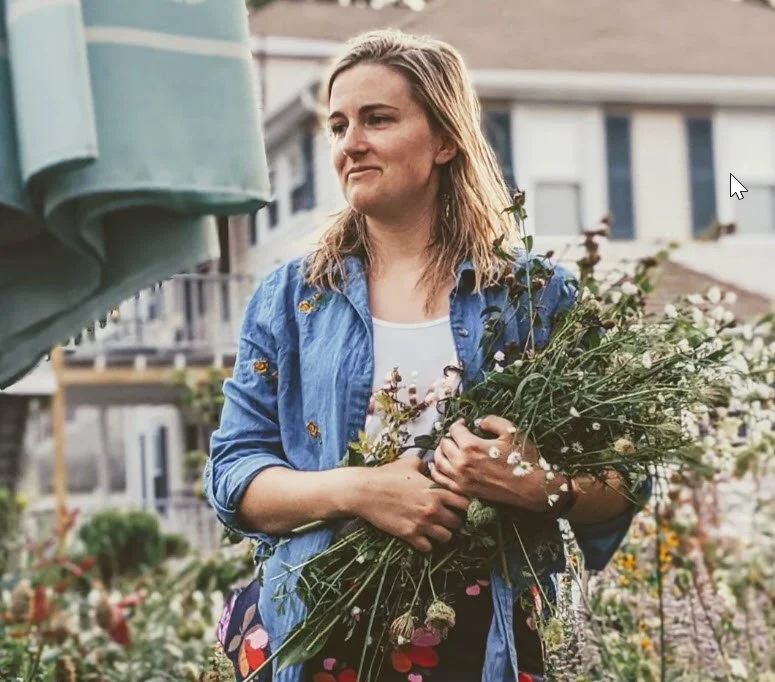
Holly Park, Scout Hill Farm
Now that I’m retired and ‘just’ focusing on The Big Little Garden and the Community Hospice House gardens, I’m pleased to be able to share that a friend and fellow plant addict, Holly Park, has established her own garden design and consulting business. Holly has the same amazing wholesale plant resources that I have, and she has a similar ecological gardening approach. She also grows dahlias like nobody’s business and if that’s not enough, she has floral design chops. Holly also shares her knowledge through workshops to the public.
At Scout Hill Farm, Holly offers garden design and consultation services with an emphasis on working with nature. She helps clients choose pollinator-friendly plants and develop thoughtful plans for new or existing garden spaces. Learn more about Scout Hill Farm’s garden design services here or reach out to Holly at holly@scouthillfarm.com.
garden wildlife ~ chilin’ on the patio!
Anaxyrus americanus, American toad has spent the entire summer hanging out in the planters on our back patio. He enjoys a luxuriously lazy lifestyle in the flower pots and moss terrariums, venturing out in the evening to hunt for delectable, pesticide-free insects, slugs, snails and worms in the perennial and moss gardens. Lucky guy!
Until next time, stay calm and garden on,
~ Barb