
it’s ‘garden liberation’ season ~ embrace ecological gardening
give yourself and the pruners a break!
I love this time of year in the gardens. Everything is so full and lush with dense canopies of vital habitat for our insects and other creatures. If you observe carefully, you may see our Queen Bumblebees scurrying back and forth from your gardens to their woodland edge nests just a few inches under ground. It’s important NOT to disturb the leaf litter, especially now.
Instead of toiling away and obsessing about ‘neatness’ (ok, I never do this regardless of the season!), I do not cut back perennials in autumn. Instead, I leave the seed heads for wildlife and will defer ‘tidying up’ until spring. My gardens are loose, free and rambling with plants crossing over and supporting each other as they relax into the fourth quarter of the year. The Hakonechloa, Japanese forest grass ‘All Gold’ has turned from bright yellow to its typical limey-green blades and now sports delicate plumes. It’s the perfect companion under the Franklinia tree with anemone ‘Pamina’. While neither the Hakonechloa nor the Anemone are native, they still support our bumblebees with nectar and our toads and other small creatures with protective habitat.
Gardens are still chock full of wildlife, including the resident chipmunk who apparently thinks the authentic Irish faerie house is his personal property. He frequently perches on top monitoring ‘his gardens’ from sun-up to sun-down. This corner of the patio with the moss garden behind it is our primary view out our kitchen window, and we love seeing him intensely surveying the goings-on in his ‘Kingdom’.
A few short feet from the Hakonechloa and Anemone, the native Solidago rugosa, goldenrod ‘Fireworks’ is beginning to bloom yellow to the joy of every bee in the neighborhood. It is the final movement in this garden’s summer symphony, brightening up the scene behind fading native hyssop and cone flowers. Seed heads of Echinacea, Eryngium and Agastache sport their own beauty and will remain standing to sustain bird populations all through winter months. No cutting back is required!! And remember, goldenrod is pollinated by insects, not by wind. So your allergies are caused by ragweed, not goldenrod!
Quietly tucked underneath this jumble are about five Arisaema sikokianum, Jack-in-the-pulpit seed heads. I also have seed pods of the native A. triphyllum, and pods ripening from a recent addition to the shade garden, A. dracontium (thank you Susan Kierstead!). Last week, I added the non-native arum, Pinellia tripartita, ‘Green Dragon’, to the moss garden and it has produced 4 pods! I expect to harvest the seed heads this fall to grow on both under lights indoors and outside through winter seed sowing techniques. Nothing to do here yet, except keep an eye on the seeds and harvest them around Thanksgiving after they turn cherry red. If your arisaema were pollinated and produced seed heads, here is detailed information about how to propagate them from seed.
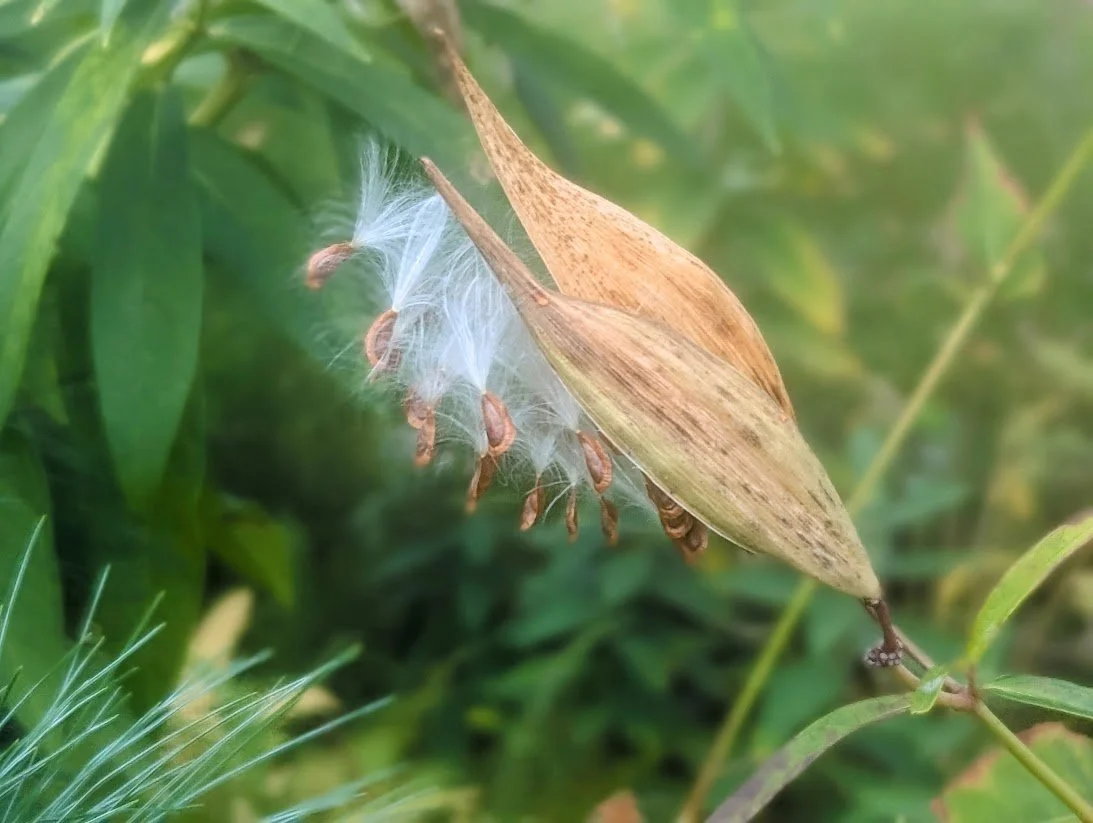
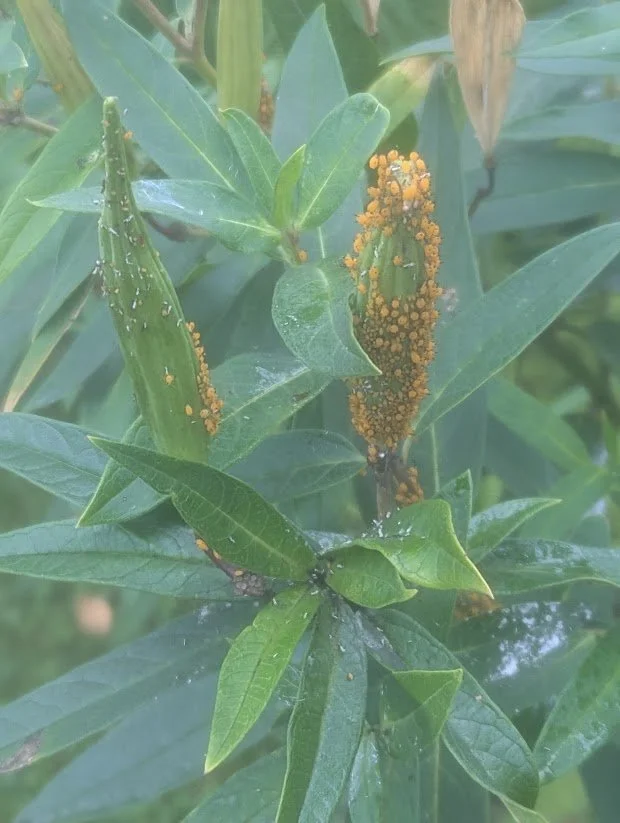
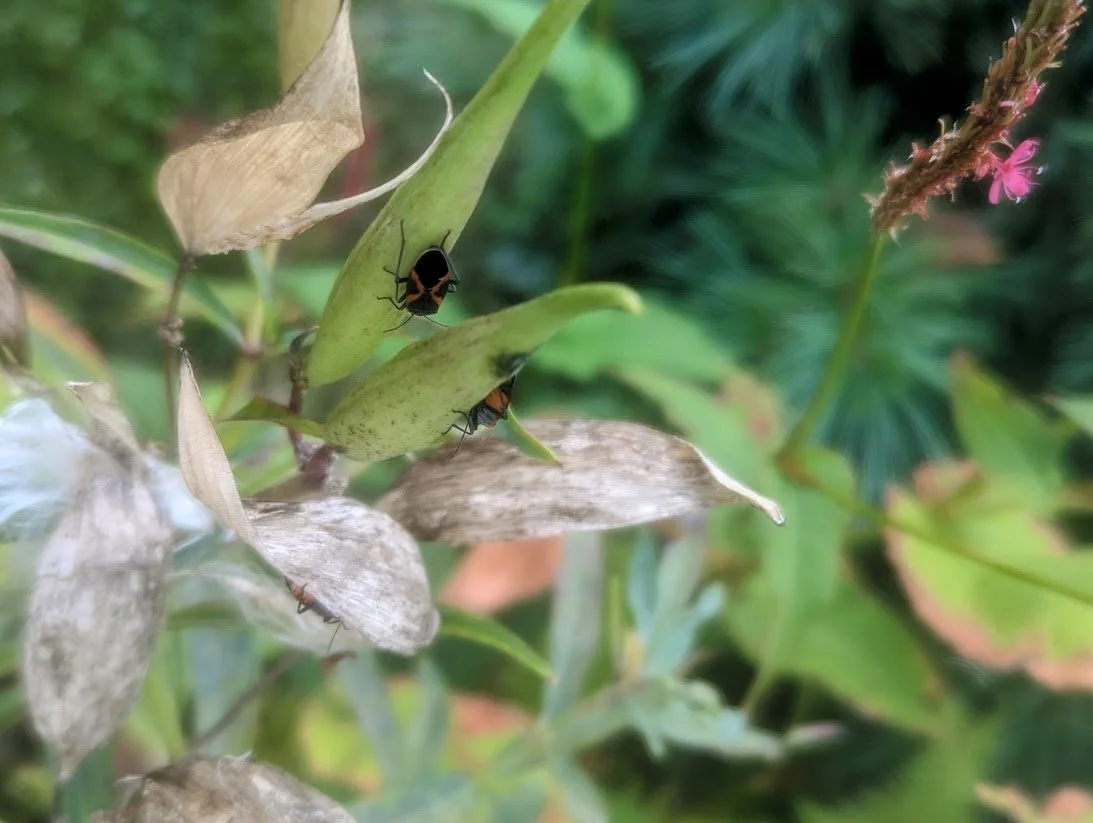
All around town, our native Asclepias ‘milkweed’ seed pods are exploding with gusto, so now is the time to either let them go about their business of reproduction, or snip off the pods for sharing or for more controlled reseeding in other gardens. It’s very common to see the pods covered in red milkweed beetles and Oleander aphids. These insects are an important part of the food web and a natural part of the plant’s life cycle. So, nothing needs to be done. Just observe and study their behavior. Staying true to my ‘Golden Rule of Gardening’, I never spray the beetles nor the aphids for fear of making them toxic to predator lady bugs and birds.
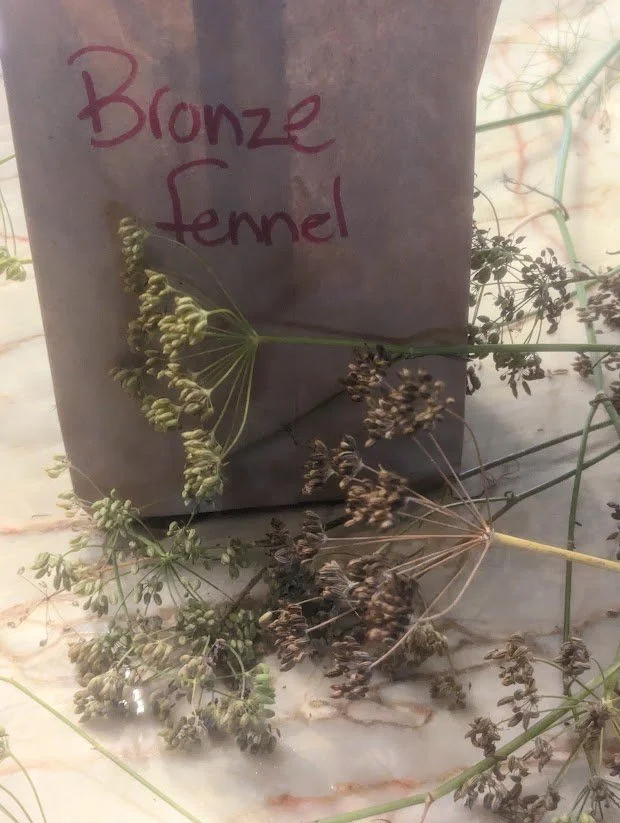
Other seeds to gather now include bronze fennel. Look for the brown, dry heads and snip them off for culinary use, or to reseed other gardens. I’ve made the mistake of letting them reseed with abandon in the east garden and now am tasked with tedious removal of too many very stubborn seedlings with deep tap roots every spring!
In addition to the bronze fennel, I’ve also gathered ripe seeds from: Allium cernuum, Daucus carota ‘Dara’, and Echinops. It’s important to harvest seeds when they are dry to prevent mold during storage. I scattered the Aquilegia, colombine, seeds a few weeks back, and tiny seedlings are already popping up. Aquilegia plants put out a second round of foliage in fall, and if left undisturbed by the gardener’s hand, this foliage will help protect the plant throughout our harsh winters. Again, nothing to do here!
community connections
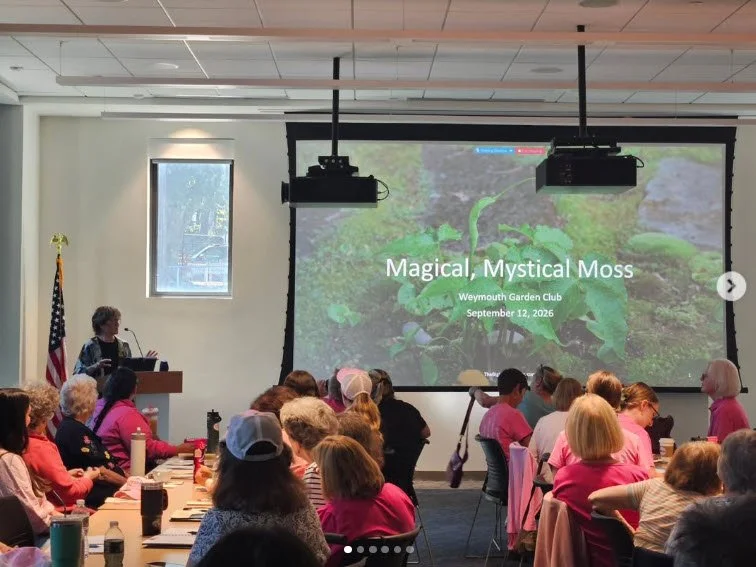
It was a busy but fun and rewarding week! I had the pleasure of being the season opener speaker for the Weymouth, MA Garden Club, the Milford, NH Garden Club and the Windham, NH Garden Club! Any opportunity to share my passion for moss gardening, fall bulb planting and ecological gardening with hundreds of avid gardeners makes me happy!
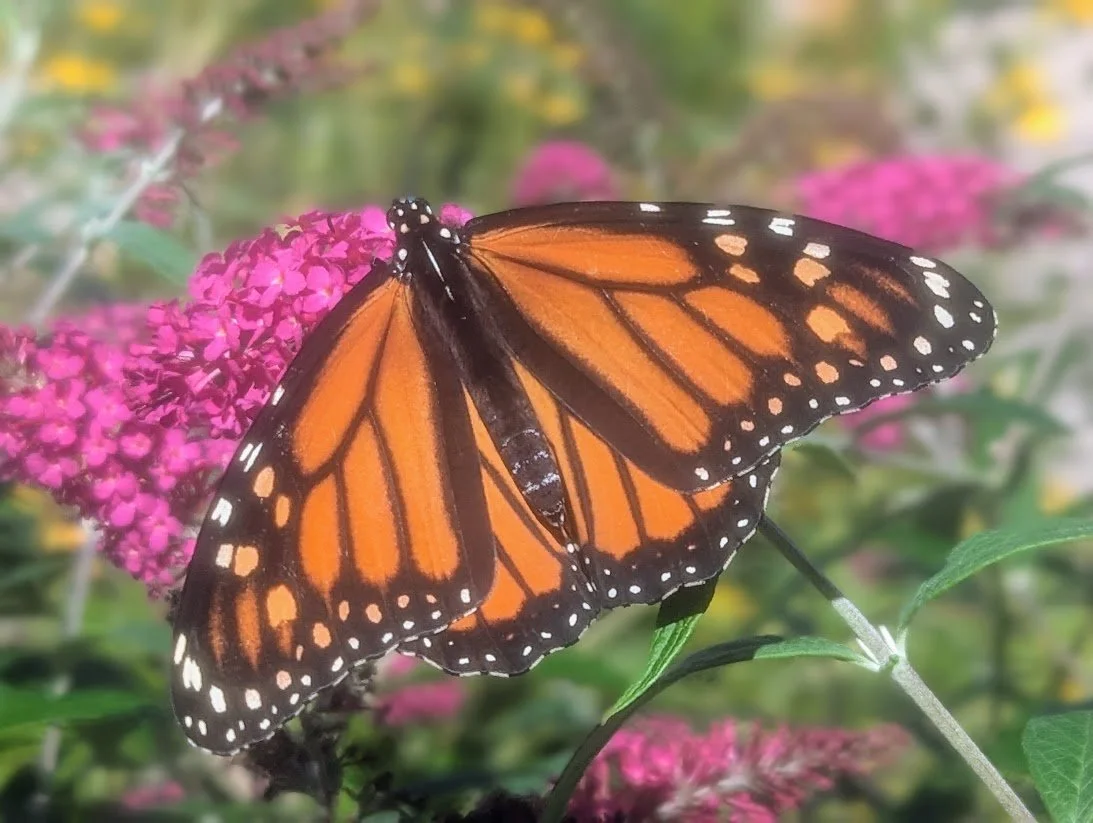
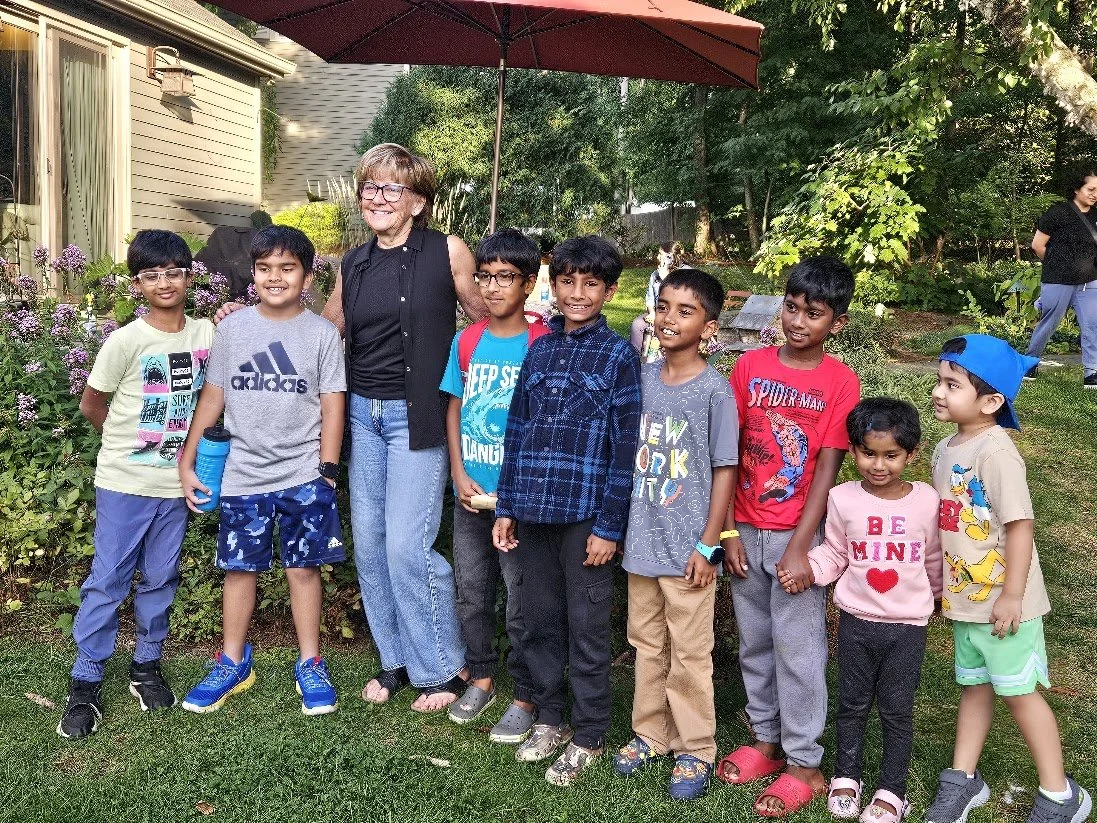
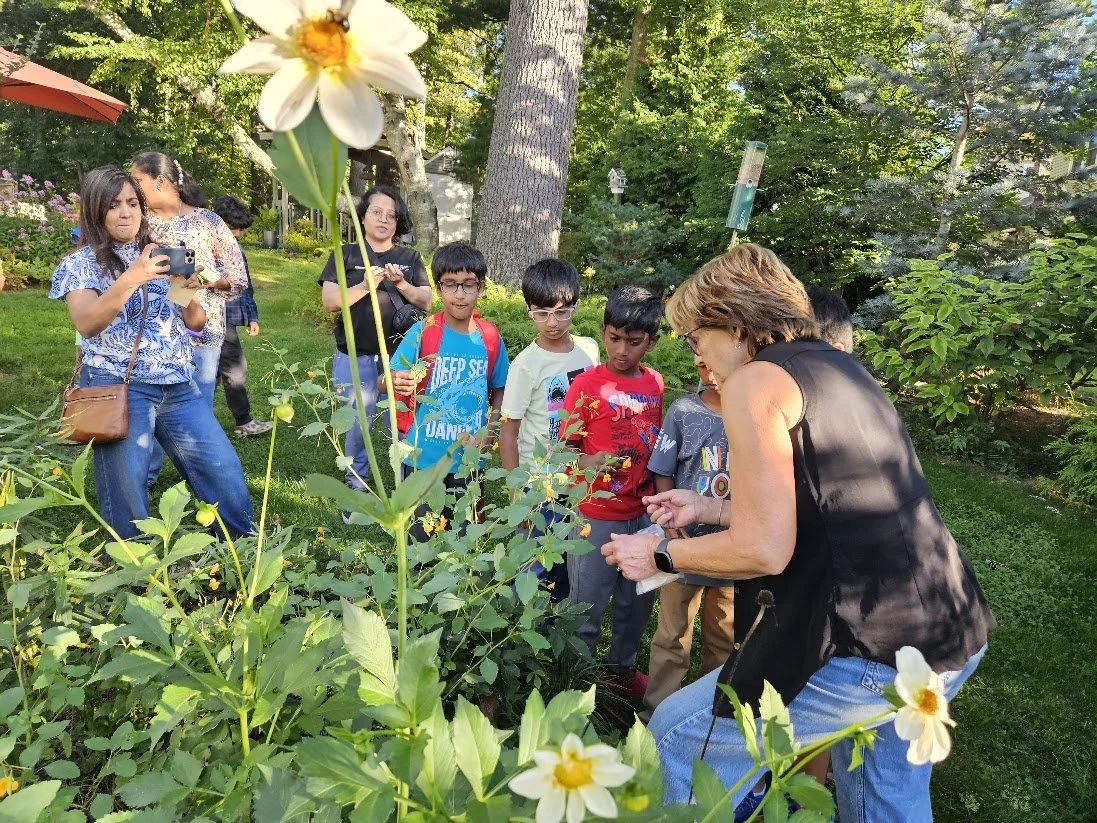
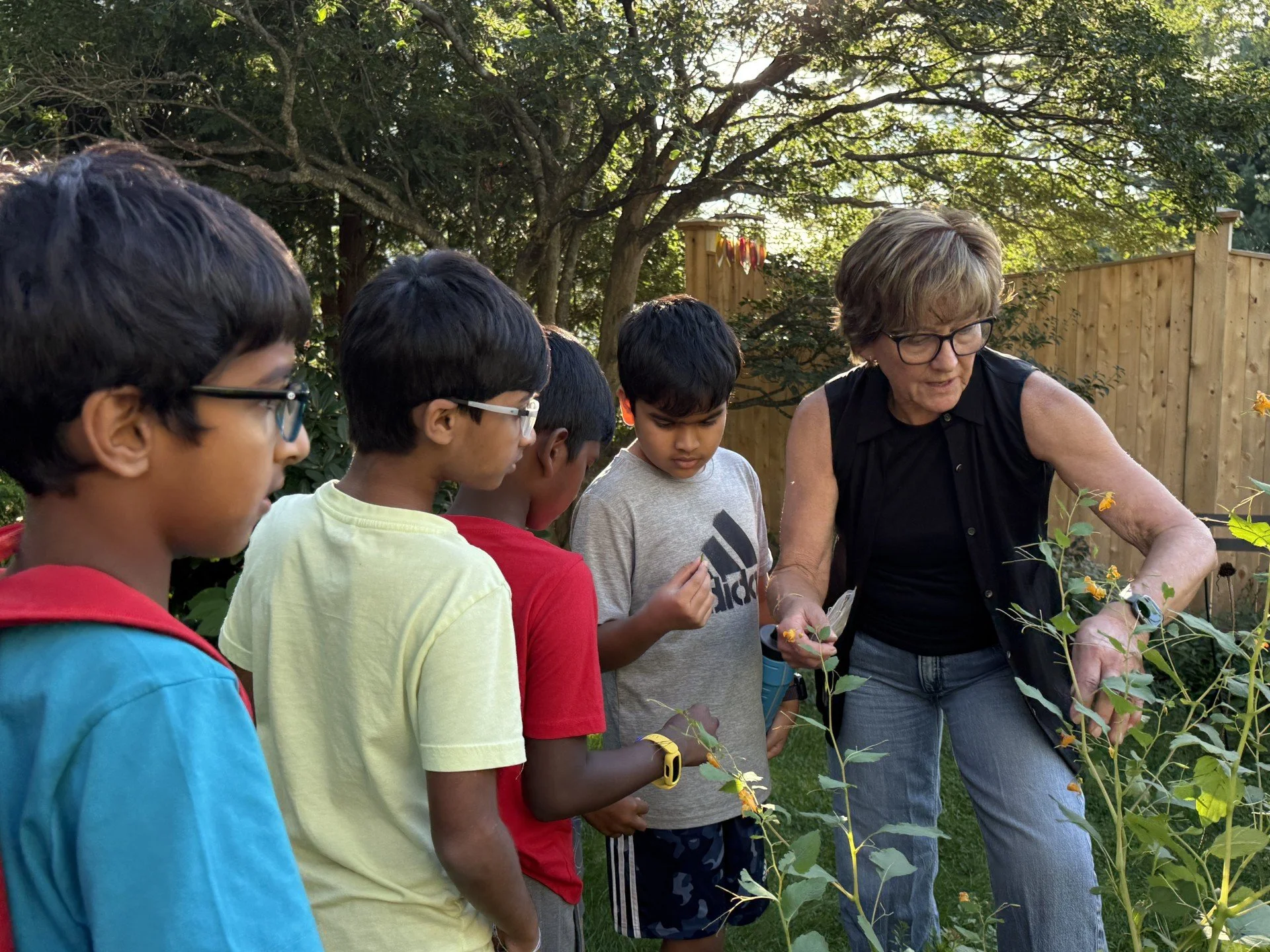
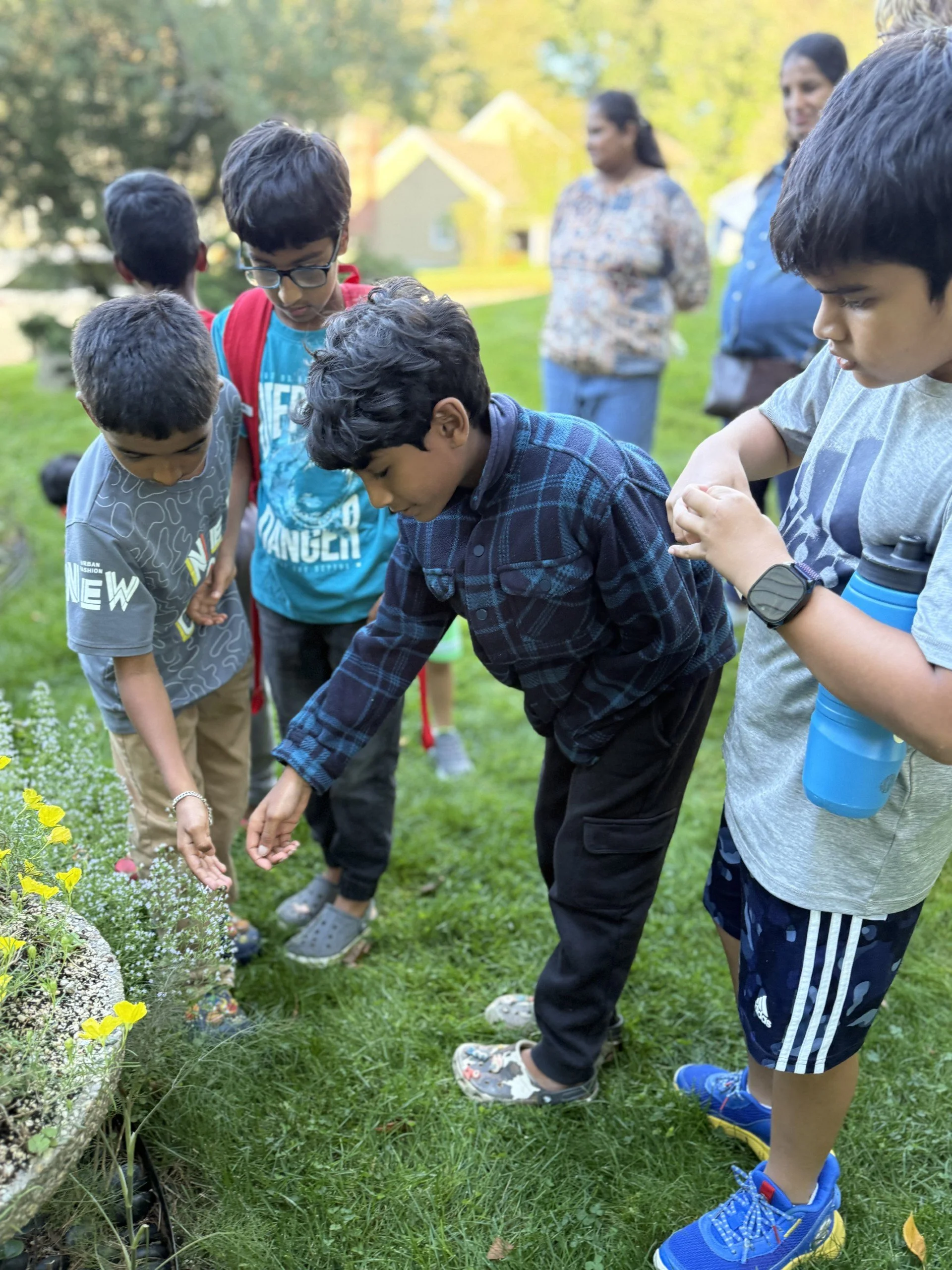
The highlight of my week was a visit from the First Robotics team that toured my gardens and learned about bees! These young students were enthralled with the many types of bees buzzing about as well as six Monarch butterflies that feasted on the butterfly bush panicles. They learned that these are the ‘Super Monarchs’, the final generation to emerge from eggs that were laid on my milkweed and subsequently developed in my gardens. This generation will soon embark on their 3,000 mile journey to their over wintering grounds in Mexico!
It was so heartening to witness young minds alive with curiosity about wildlife and plantlife. An important book about our childrens’ collective loss of connection to nature is Last Child in the Woods (affiliate link). It is highly recommended reading for any adult wishing to prevent ‘nature deficit disorder’ in children and grandchildren.
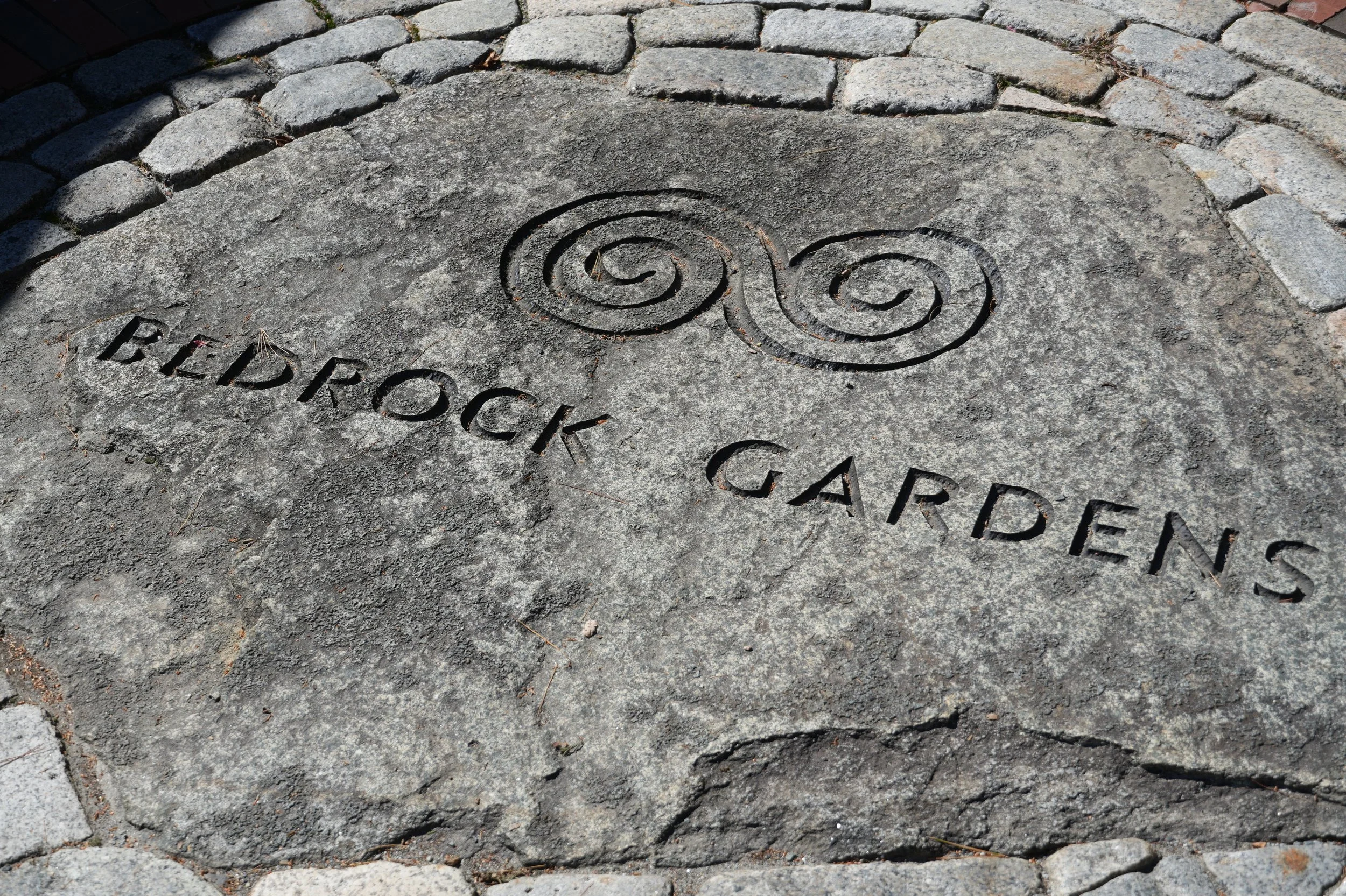
our visit to bedrock gardens, lee, nh
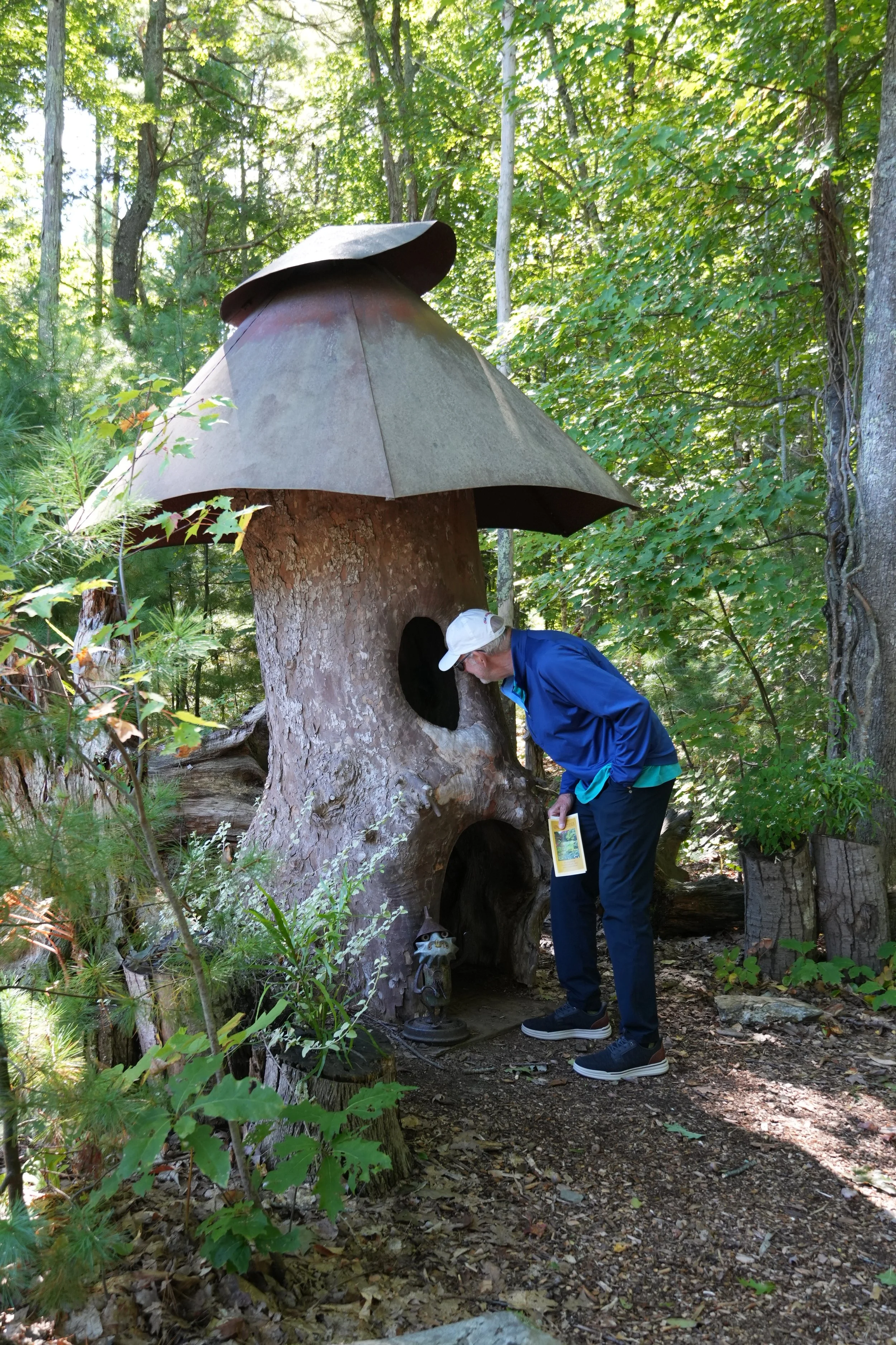
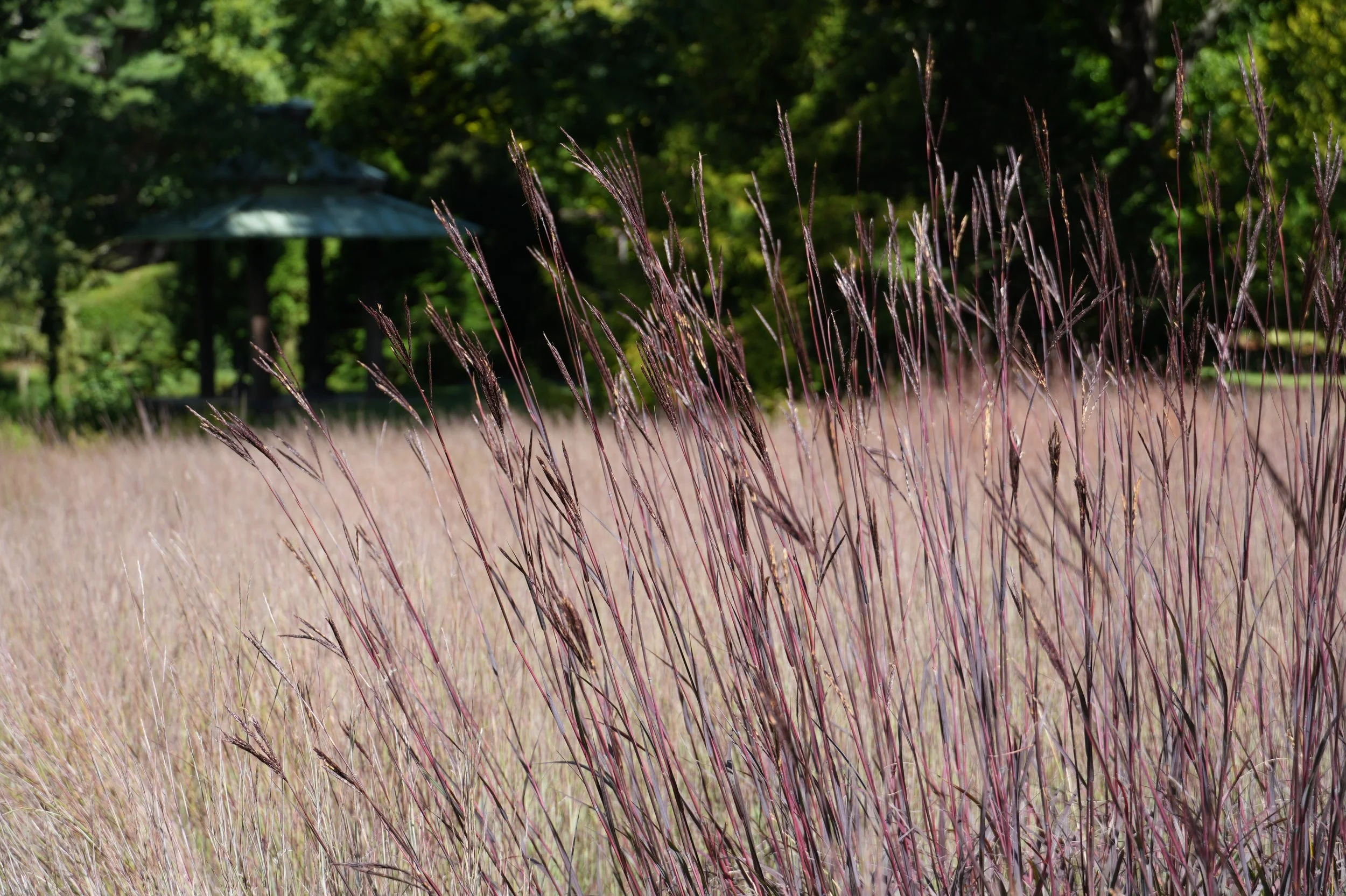
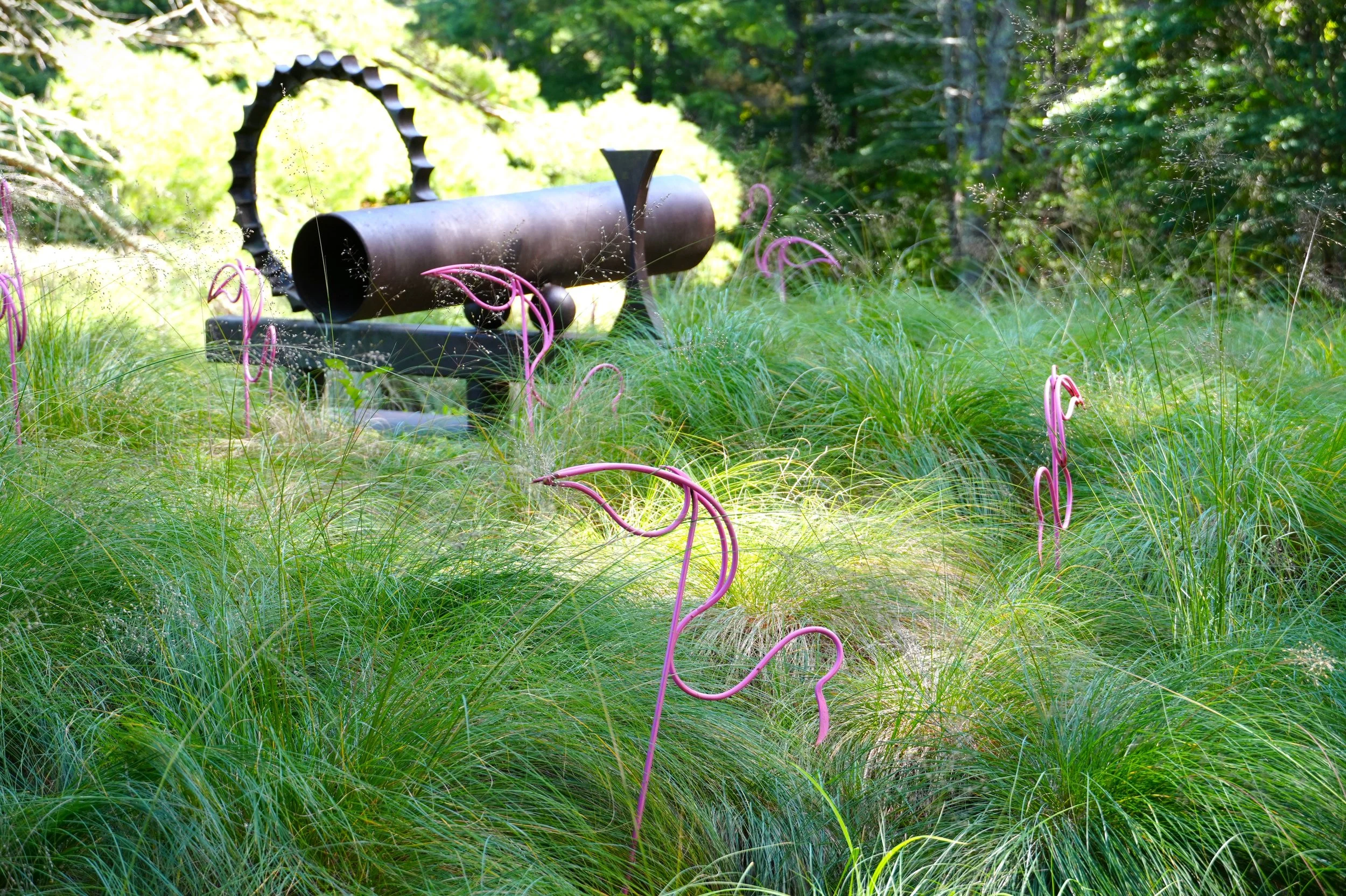
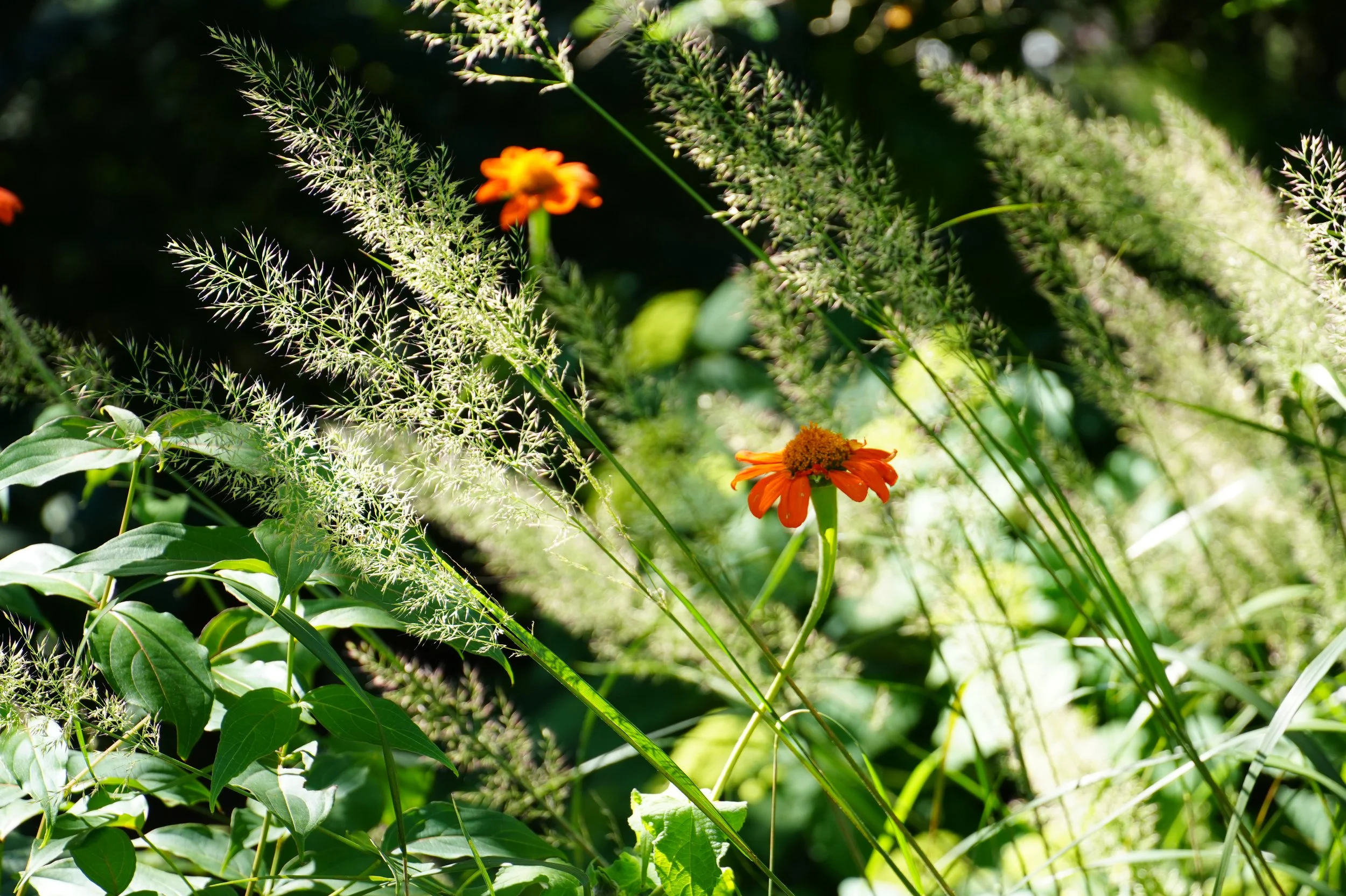
While there are always things to keep me busy in the garden like cleaning bird feeders, fountains, the garage and the shed (ugh!), it’s much more fun to tour other gardens. This weekend Dave and I hopped in the Mighty Mini and drove to Lee, NH to see the astounding Bedrock Gardens. They close for the season in two weeks, so if you have a chance to visit, we highly recommend it! We were so inspired by everything, from the stumpery and woodland views with large drifts of white wood aster and ferns to the massive installations of native grasses and carex. Of course Jill Nooney’s sculptures lead the way from one garden to another, adding whimsy and structure to dense plantings. We were so happy to see many young children exploring all of the gardens with great abandon. Early exposure in natural environments is so important for the mental and physical health of our children!
gardener evolution
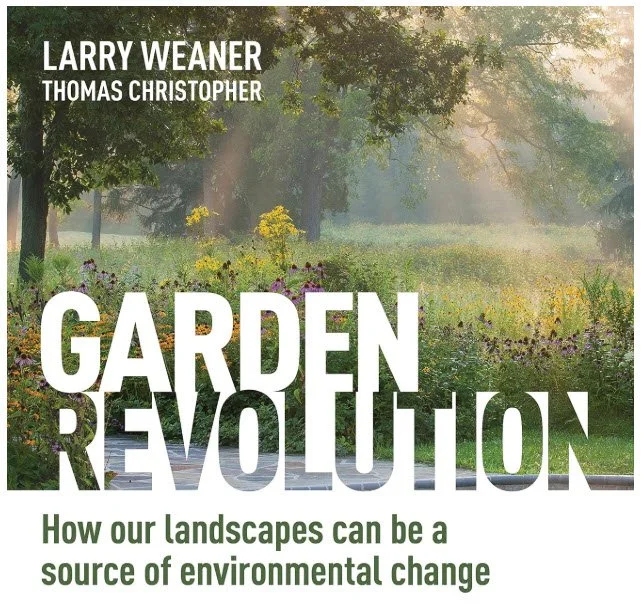
My personal evolution toward naturalism and ecologically beneficial gardening practices continues to pick up steam. I recently dusted off Larry Weaner’s Garden Revolution from my collection of over one hundred (no kidding) gardening books. To say this subject has me obsessed is putting it mildly. Larry’s teachings are a revelation (and a revolution!). Unlike other books on this subject, his writings are entertaining, informative and very accessible to even novice gardeners.
I am inviting any and all with an interest in exploring the benefits of a more ecological gardening approach, to reach out to me as I would love to share thoughts about the book and how we can apply his principles to our own landscape. We’ll have a few long winter months when we can gather in person or perhaps on Zoom for lively conversations and plan for even more productive, beautiful, beneficial gardens next spring!
Thank you for reading, and stay tuned for a soon-to-be-announced bulb sale and the next round of over seeding our lawn with microclover.
~ Barb, the Ecological Gardener in training